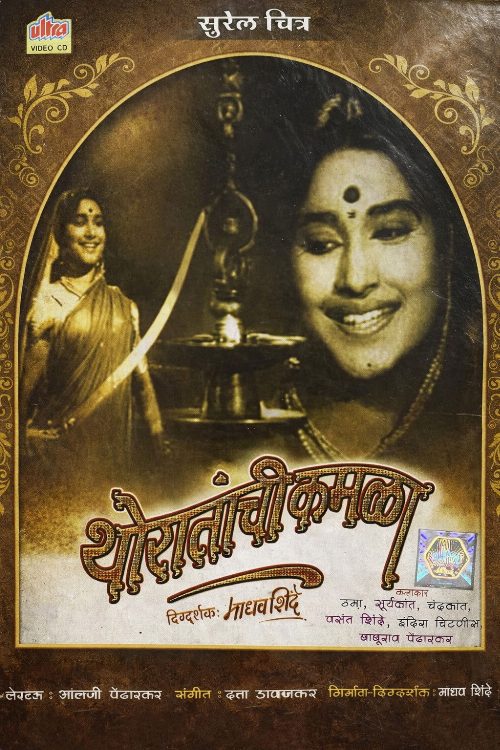
About Thoratanchi Kamala
Set in a fictionalized Maratha-era tale, Shivaji’s son Sambhaji kidnaps Kamala, whom he loves, but she returns home. When her would-be groom Yeshwantrao abducts her, Sambhaji rushes to rescue her.
Venturing back into the golden era of Marathi cinema, Thoratanchi Kamala stands as a significant piece of historical storytelling that highlights the dramatic flair prevalent in the early sixties. This production captures the essence of the period with a narrative that leans heavily into the romantic tensions and social codes of a bygone era. By weaving a tale centered on the complexities of affection and the high stakes of abduction, the film explores how personal desires often collided with the rigid societal expectations of the Maratha landscape. It remains a fascinating study of how regional filmmakers during this time utilized historical backdrops to heighten the emotional intensity of their character dramas.
The film is particularly notable for its ensemble cast, featuring established names like Indira Chitnis and Suryakant Mandhre, who were instrumental in shaping the identity of regional cinema during this decade. Under the guidance of director Madhav Shinde, the movie functions as both a romantic saga and a testament to the popular artistic sensibilities of the time. For contemporary viewers interested in the evolution of Indian storytelling, this work provides a window into the stylistic choices that defined the Marathi industry during the mid-twentieth century. It reflects a period when filmmakers were adept at balancing traditional storytelling structures with the star power required to draw audiences to theaters, creating a legacy that resonates with students of film history today.
Audiences who appreciate vintage narratives that prioritize character-driven conflict over modern spectacle will find much to admire here. The interplay between the protagonist Kamala and the various figures surrounding her provides a rich emotional core that keeps the viewer engaged despite the passage of time. Because the story hinges on the evolving dynamics between its leads, it serves as a prototype for the romantic dramas that would continue to flourish in the years following its release. For those looking to explore the roots of Indian period dramas, this film acts as a vital bridge, showcasing how regional language cinema successfully navigated complex themes of love, duty, and honor long before the era of digital blockbusters. Its endurance in the cultural consciousness speaks volumes about the enduring appeal of classic Marathi acting talent and the timeless nature of its central conflict.