About Sportland
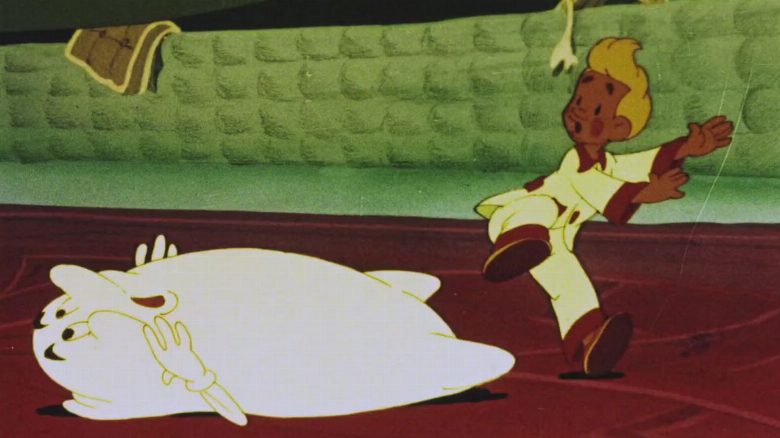
The boy Mitya overslept in the morning. The alarm clock rang - he turned it off. The signal "Listen up everyone" / wake-up call to the Pioneer Dawn school sounded on the radio - he covered the loudspeaker with a pillow. The guys shouted through the window that the whole class had gone to take the BGTO standard, but Mitya was sleeping and was letting everyone down, which meant he would not receive the BGTO badge ("Be ready for work and defense"). But Mitya, with great reluctance, said, "I'll go tomorrow," and covered himself with a blanket.
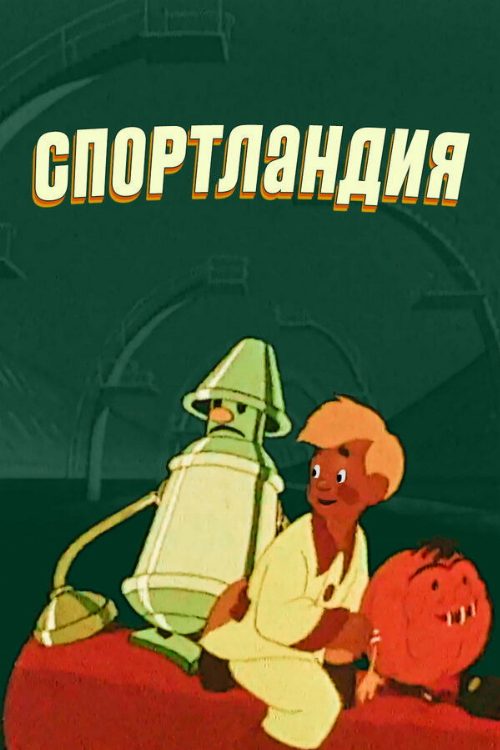
The 1958 Soviet animated production Sportland captures a specific window into the mid-century pedagogical landscape, offering a window into the values of collective responsibility and physical health that defined the era. Directed by Aleksandr V. Ivanov, the film serves as both entertainment and a moralistic fable centered on a young boy named Mitya. As the narrative unfolds, we see Mitya grappling with the classic struggle of lethargy versus duty, as he attempts to snooze through the communal enthusiasm of his peers heading off to complete their fitness standards. While the film originates from a vastly different geopolitical and cultural climate than the vibrant landscapes of modern Telugu or Malayalam cinema, its core theme of individual accountability within a social group is a universal trope that continues to resonate across global storytelling traditions.
The film relies on the quintessential animation style of its time, emphasizing expressive character movements and a rhythmic pacing that mirrors the urgency of the waking world outside Mitya’s window. By focusing on the concept of the BGTO badge, which prioritized preparedness and physical readiness, the story functions as a time capsule of Soviet youth culture. For contemporary viewers, it offers a fascinating look at how animation was utilized as a tool to instill specific societal expectations in children. The work of voice actors such as Erast Garin and Mariya Vinogradova brings a distinct personality to the ensemble, grounding the stylized animation in human emotion. It is a compelling watch for animation historians and those interested in how state-sponsored media shaped the childhood experiences of the twentieth century.
Those who enjoy exploring the evolution of propaganda-adjacent children's media or the classic hand-drawn aesthetics of the fifties will find much to admire here. It stands out from modern, high-octane animated spectacles by prioritizing a simple, relatable conflict that feels almost quaint in its directness. While it lacks the intricate world-building found in today’s pan-Indian blockbusters, its focus on the consequences of procrastination remains a timeless lesson. Whether you are a student of international film history or simply someone seeking a nostalgic look at how different cultures have historically encouraged youth to embrace healthy competition and community engagement, Sportland provides a unique and clear-eyed perspective on the instructional nature of mid-century animation. It remains a notable entry in the filmography of Aleksandr V. Ivanov, reflecting a specific commitment to moral instruction through the medium of the moving image.
Cast(10)






Crew
Original Music Composer
Sound Director
Director
Writer
Lyricist
Art Direction
Director of Photography
Assistant Director
Similar Films