About Stolen Pleasure
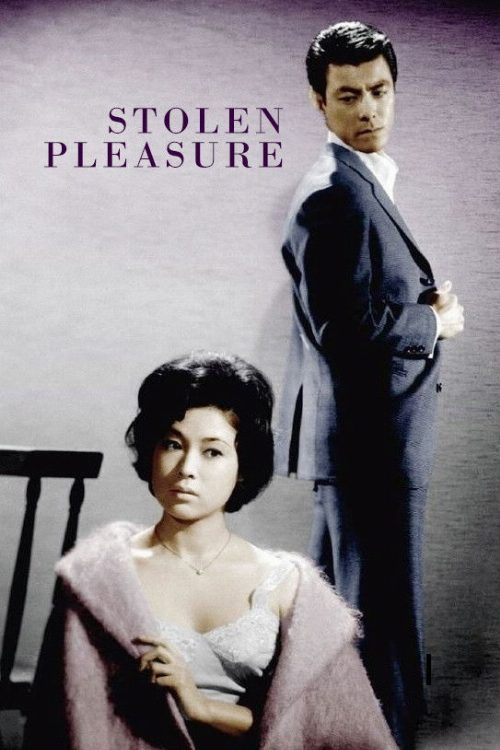
High-end cabaret hostess Masuko discovers her long-term lover is actually married. Determined to secure her future, she aggressively manipulates him into divorcing his wife, only for their new marriage to be destabilized by the arrival of her young niece.
Stepping into the world of Japanese cinema from the early sixties reveals a fascinating preoccupation with the shifting social mores of the post-war era, a period where traditional family structures began to buckle under the weight of burgeoning urban ambition. Stolen Pleasure serves as a quintessential example of this transition, centering on a protagonist who defies the passive archetypes often assigned to women of that decade. Through the lens of a cabaret hostess who refuses to accept the societal margins, the narrative examines the ruthless cost of climbing the social ladder. While contemporary Indian audiences are currently witnessing a massive resurgence in complex, morally grey character studies across the Telugu and Malayalam industries, this vintage drama offers a similar thrill for those who appreciate seeing a lead character navigate the treacherous waters of infidelity and domestic power plays.
The film is anchored by a sharp, calculating performance that elevates the material beyond a simple cautionary tale. By exploring the vulnerability hidden beneath the polish of a high-society nightlife worker, the story challenges the viewer to empathize with a woman whose primary motivation is simply to claim a seat at the table. The tension spikes when the arrival of a younger relative introduces an unexpected variable, turning a quest for domestic security into a psychological battleground. For fans of classic international cinema, this production is a masterclass in tone, utilizing the confined settings of Tokyo apartments and dimly lit clubs to mirror the tightening trap of the protagonist’s own design. It is a stark reminder that the desire for stability can often lead to the most chaotic outcomes.
Those who gravitate toward character-driven dramas that prioritize internal conflict over grand spectacle will find much to admire here. The film functions as a precursor to the intense, dialogue-heavy domestic thrillers that have become a hallmark of global prestige television today. It is perfectly suited for viewers who enjoy dissecting the motivations of anti-heroes and observing how personal deception ripples outward to affect everyone in a household. By sidestepping the melodrama that characterized much of the era, the director maintains a clinical, almost observational distance that makes the eventual unraveling of the characters feel earned rather than forced. It stands as a timeless exploration of what happens when the pursuit of an ideal life requires the complete destruction of one's own integrity, making it a essential viewing for any serious student of mid-century world cinema.
Cast(18)