About Sword Wind Training Hall
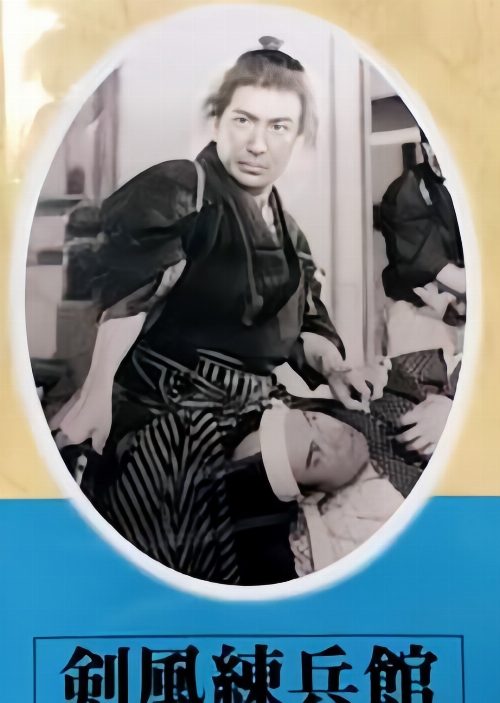
About Kenpuren Training Hall: The story is set in the Bakumatsu period. Katsura Kogoro and his passionate Choshu comrades raise the banner of "Shinto Munen-ryu" and join the dojo of Saito Yakuro, a renowned Edo swordsman leading 3,000 disciples. While some senior students have commendable qualities, certain undesirable habits disappoint Katsura. Nevertheless, he remains dedicated to mastering martial arts, practicing swordsmanship day and night while studying how to construct defenses against the Black Ships threatening the Shimonoseki Strait. Saito observes all this, and Katsura gradually stands out among the students...
Stepping back into the twilight of the Tokugawa shogunate, Sword Wind Training Hall serves as a fascinating lens through which to view the tumultuous transition of 19th-century Japan. Directed by Kiyohiko Ushihara, this 1944 production captures a volatile era defined by the encroaching shadows of foreign intervention and internal political upheaval. Unlike many contemporary samurai epics that focus solely on the aesthetics of the blade, this narrative prioritizes the ideological friction between historical figures like Katsura Kogoro and the rigid traditions of established martial arts schools. By centering the story on the Shinto Munen-ryu dojo, the film explores how intellectual ambition and strategic foresight were forged alongside physical combat skills during a time when the nation faced an existential crisis from overseas naval threats.
The film stands out as a significant artifact of mid-century Japanese cinema, reflecting the intense national focus on discipline and duty prevalent in 1944. For viewers who appreciate the historical dramas of the era, the film offers a compelling look at the Choshu domain activists who would eventually shape the Meiji Restoration. Tsumasaburo Bando leads a cast that breathes life into the tension between the stoic, traditionalist Saito Yakuro and the restless, revolutionary spirit of his students. The choreography and pacing reflect the distinct sensibilities of Ushihara, who balances the atmosphere of a rigorous training environment with the looming anxiety of the Black Ships appearing on the horizon. It is a work that values the psychological preparation for war just as much as the swordplay itself.
Audiences who enjoy the intersection of historical biography and political intrigue will find this piece particularly rewarding. It is designed for those interested in the foundational myths of modern Japan, as it highlights the intersection of personal growth and national destiny. While it operates within the framework of a period drama, the film functions as a character study of a man finding his voice amidst a sea of thousands. By examining the specific pressures placed on these young men, Sword Wind Training Hall provides a window into the mindset of a generation caught between the fading feudal past and an uncertain, modernized future. It remains a noteworthy entry for anyone studying the evolution of the jidaigeki genre, offering a nuanced look at the scholars and warriors who navigated one of the most consequential chapters in Japanese history.