About The Harimaya Bridge
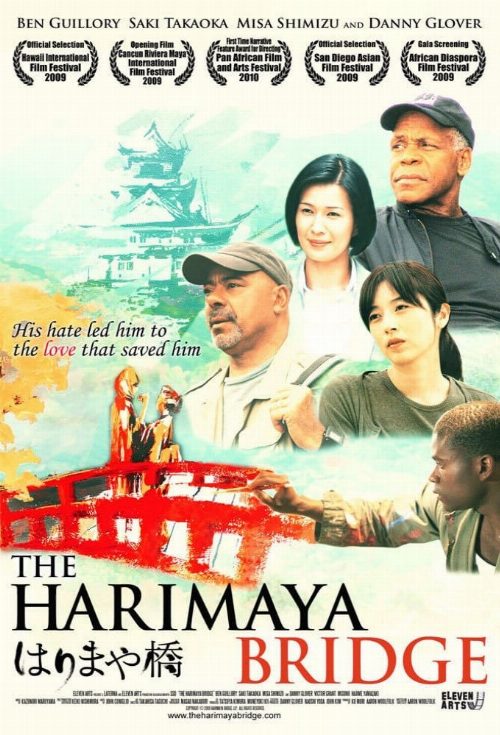
The Harimaya Bridge is a drama about an American man who must travel to rural Japan to claim some important items belonging to his late son, from whom he was estranged. While there, he learns several secrets his son left behind.
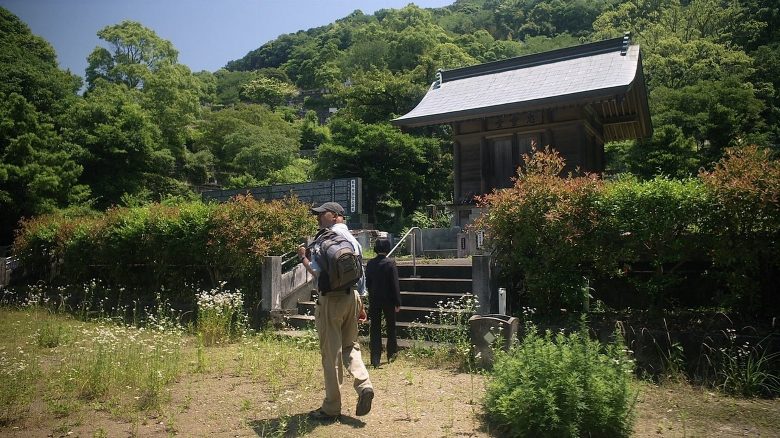
Cultural divides often serve as the most poignant backdrops for personal healing, and Aaron Woolfolk utilizes this trope with remarkable restraint in The Harimaya Bridge. Set against the lush, serene landscapes of Kochi Prefecture, the film moves beyond the typical fish-out-of-water narrative to explore the quiet grief of a father forced to confront the legacy of a child he barely understood. Bennet Guillory delivers a performance defined by internal stillness, portraying an American patriarch whose journey to retrieve his deceased son’s belongings evolves into a profound reckoning with his own prejudices and past failures. By focusing on the unspoken emotional distance between family members rather than grand cinematic gestures, the production finds a unique rhythm that feels both grounded and deeply universal.
This cross-cultural drama occupies a fascinating space in international cinema, bridging Western sensibilities with the deliberate, contemplative pacing typical of regional Japanese storytelling. For fans of Indian cinema who appreciate the nuanced domestic dramas often seen in Malayalam or independent Tamil films, The Harimaya Bridge will feel like a familiar exploration of human connection. The film echoes the thematic depth of works that prioritize character interiority over high-octane plot mechanics, making it an excellent recommendation for viewers who enjoy stories about reconciliation and the slow shedding of personal biases. It does not attempt to explain Japanese customs for the sake of an outsider audience but instead lets the environment act as a mirror for the protagonist’s changing perspective.
Woolfolk demonstrates a keen eye for the cultural friction inherent in his premise, ensuring that the local supporting cast remains fully fleshed out individuals rather than mere plot devices. The inclusion of Saki Takaoka and Misa Shimizu adds a necessary layer of authenticity, grounding the narrative in the specific social fabric of Kochi. The film is positioned as a must-watch for those who value slow-burn character studies that favor empathy over melodrama. It is a quiet, contemplative piece of filmmaking that asks what it truly means to know someone after they are gone. Ultimately, the story functions as a bridge between two worlds, inviting the audience to consider how the objects left behind by our loved ones can finally unlock the truths we were once too guarded to hear.
Cast(10)