
About The Invincible
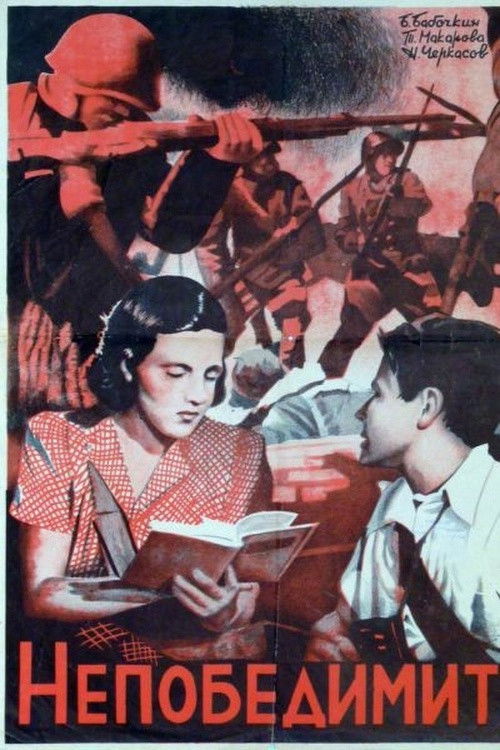
The autumn of 1941. Leningrad is besieged by the Nazis. A new model of tank is being developed at a large defense plant. Built in the shortest possible time combat vehicles are tested directly on battlefields, fighting with fascists in the outskirts of the city. The first feature film about the heroic everyday life of city defenders was shot directly in assembly shops of plants and in the streets of Leningrad when the city was fighting against the enemy
The Invincible stands as a haunting piece of Soviet cinema history, capturing the raw intensity of a nation under fire while the echoes of conflict still resonated in the very streets where the cameras rolled. Directed by Mikheil Kalatozishvili, this 1943 drama serves as an immediate historical document of the Leningrad siege, prioritizing an authentic sense of urgency over the polished artifice often found in later war epics. While contemporary audiences familiar with the high-octane technical mastery of modern Indian war cinema might expect elaborate CGI battle sequences, this production derives its power from the stark reality of its backdrop, utilizing actual factory floors as the primary stage for its narrative about engineering salvation amidst absolute desperation.
The film focuses on the convergence of industrial ingenuity and frontline sacrifice, tracking the urgent creation of armored vehicles within a city effectively cut off from the world. By showcasing the relentless labor of engineers alongside the brutal combat unfolding just beyond the factory gates, the story bridges the gap between the domestic front and the trenches. It is a testament to the resilience of those who saw their labor as a direct weapon against the invading forces. This focus on the synergy between the assembly line and the battlefield provides a grounded, humanistic perspective that differentiates it from more jingoistic portrayals of the era, offering a nuanced look at how a city functions when survival becomes its sole manufacturing goal.
Viewers who appreciate the gritty, neo-realist aesthetic that defined global cinema during the middle of the twentieth century will find this work particularly compelling. It is an essential watch for those interested in the evolution of war narratives, especially for fans of Indian filmmakers like Satyajit Ray or Bimal Roy who similarly utilized limited resources to capture the profound psychological weight of their characters environments. Because the production occurred during the height of the hostilities, it possesses a visceral, unvarnished quality that feels almost documentary-like in its execution. The presence of iconic actors like Nikolai Cherkasov adds a layer of gravitas that grounds the emotional stakes, making the film a fascinating study for anyone looking to understand how national identity is forged in the furnace of collective struggle. It remains a stark reminder of a time when the camera was not just a tool for entertainment, but a vital witness to the endurance of the human spirit.
Cast(10)