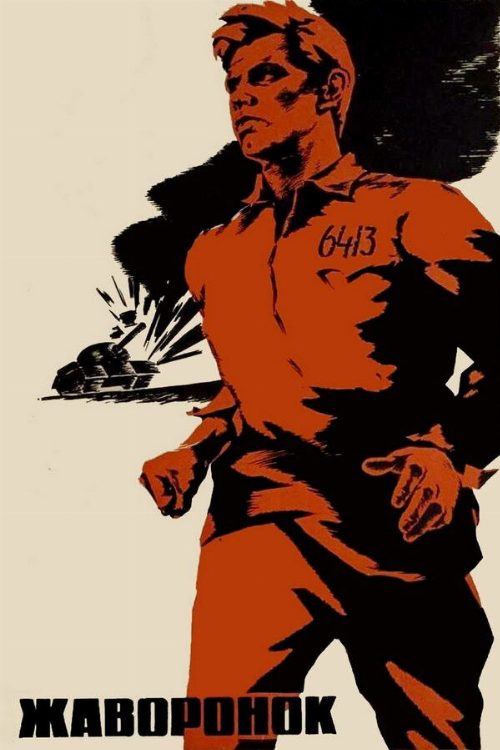
About The Lark
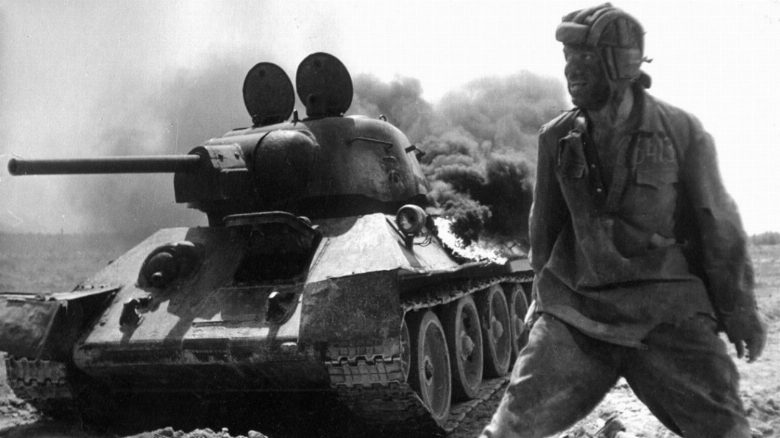
Russian prisoners of war commandeer a tank and lead the Nazis on a cross-country chase in this World War II adventure drama. The Russians use their own tanks so the Nazis can use them as target practice to test a new anti-tank weapon. Knowing that death is near, the brave Russians run amok and tear down German monuments before heading out to a field where female slave laborers are working.
Few cinematic depictions of the Second World War capture the raw, desperate defiance of the human spirit quite like the Soviet production The Lark. While contemporary Indian cinema often highlights grand, stylized spectacles of heroism, this 1964 classic offers a more intimate and harrowing look at survival through a high-stakes escape. The premise centers on a group of Soviet captives who find themselves in a grim situation: serving as human fodder for testing lethal German weaponry. By seizing a tank during one of these exercises, the men transform a controlled execution into a frantic, adrenaline-fueled dash for freedom. It is a stark reminder of the grim reality faced by soldiers behind enemy lines, stripped of their armor and forced into a game where the odds are stacked entirely against them.
This film occupies a significant space in the history of Eastern European war dramas, favoring existential tension over the sweeping battle sequences common in modern blockbuster fare. For fans of Indian regional cinema who appreciate the gritty, character-driven narratives seen in the best of Malayalam or Tamil realist dramas, The Lark provides a fascinating point of comparison. It does not rely on traditional tropes of victory; instead, it focuses on the psychological toll of being trapped in a metal coffin while navigating a hostile landscape. The pacing is relentless, echoing the urgency found in modern survival thrillers, yet it remains deeply rooted in the somber atmosphere of the mid-sixties Soviet aesthetic, characterized by sharp shadows and the cold, unyielding environment of the front lines.
Viewers who enjoy films that prioritize internal fortitude and the quiet, crushing weight of impending mortality will find this work particularly resonant. It avoids the polished, heroic gloss often applied to historical conflicts, choosing instead to showcase the raw, unwashed struggle of individuals fighting for their dignity in the face of inevitable destruction. The performances, particularly from Gennadiy Yukhtin, anchor the film in a grounded sense of brotherhood that transcends language barriers. Whether you are a dedicated student of international war cinema or a casual viewer looking for a gripping story of resistance, this masterpiece serves as a powerful testament to the resilience of the human soul. It remains a essential watch for those who appreciate how cinema can transform a singular, localized act of rebellion into a timeless statement on courage and the refusal to be conquered.
Cast(26)