About The Last Recipe
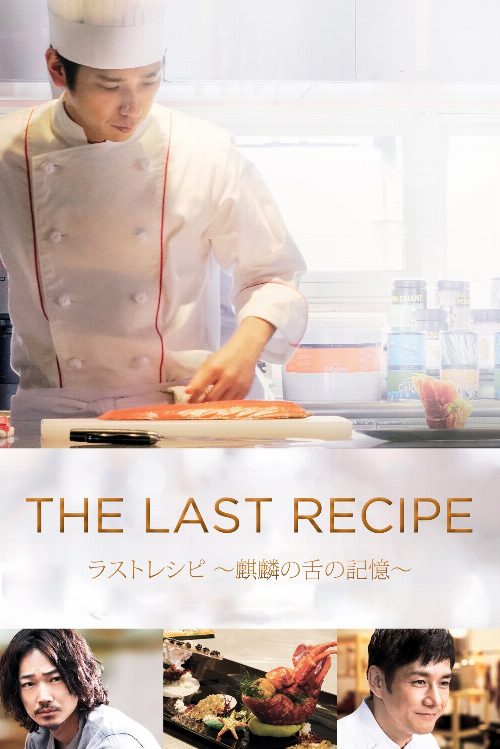
A famous chef who is tasked with tracking down a 70-year-old missing recipe.
The Last Recipe serves as a poignant meditation on the intersection of culinary artistry and the weight of historical memory. By weaving together two distinct timelines, the narrative explores how the pursuit of perfection in the kitchen often mirrors the search for personal identity and reconciliation. At its core, the film examines the life of a gifted cook who possesses an almost supernatural ability to recreate any dish after a single taste, yet finds himself grappling with the emotional emptiness that accompanies such a clinical talent. This Japanese drama positions food not merely as sustenance, but as a vessel for cultural heritage and human connection, echoing the themes of legacy often found in the most evocative works of world cinema.
For audiences accustomed to the high-stakes culinary dramas prevalent in modern Indian cinema, such as the nuanced portrayals of kitchen life found in recent Malayalam or Tamil character studies, this film offers a fascinating cross-cultural parallel. It captures the meticulous precision of Japanese gastronomy while grounding the technical prowess in a deeply human struggle. The narrative structure, which balances the frantic pace of a modern professional kitchen against the solemnity of a wartime culinary mission, invites viewers to consider the sacrifices required to preserve a vanishing craft. It is a visually appetizing experience, prioritizing the sensory details of preparation while maintaining a steady, contemplative emotional pulse that keeps the audience anchored in the protagonist's journey.
Kazunari Ninomiya leads this production with a restrained intensity that anchors the film’s more sentimental moments, demonstrating why he remains a central figure in the Japanese acting landscape. Those who appreciate character-driven dramas that favor atmosphere and internal development over explosive conflict will find much to admire here. The film is perfectly suited for viewers who enjoy stories about the burdens of genius and the way past experiences inform present-day decisions. By focusing on the quest for a legendary lost menu, the movie transforms an act of historical investigation into an intimate self-portrait. It stands as a testament to the idea that some flavors are not just meant to be tasted, but to be understood as the final remnants of a life once lived. This is an essential watch for cinephiles who value films that treat the kitchen as a sacred space for personal transformation and historical reflection.
Cast(26)