About The Thousand Year Fire
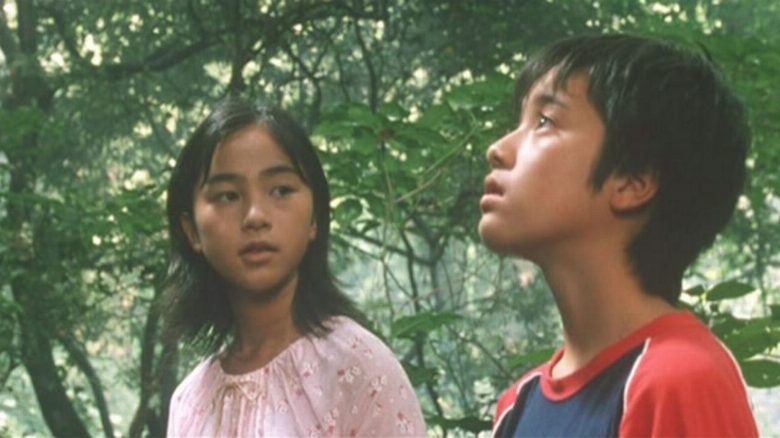
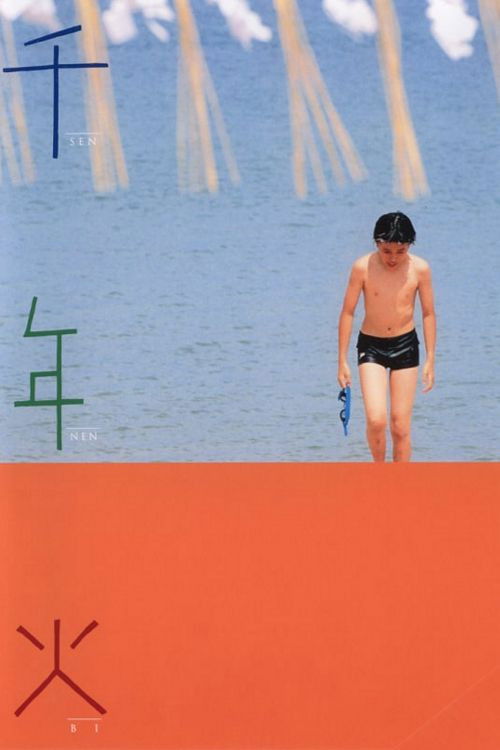
Having lost both his mother and father, an 11-year-old city boy is sent to live with his grandparents in a small seaside village. Feeling responsible for his father's accidental death, he becomes increasingly introverted and finds himself unable to make friends with the local kids. Then an eccentric elderly doctor takes him under his wing, and tells him of an ancient ceremony where a sacred flame must be brought back from a remote island by a lone swimmer.
Naoki Segi crafts a poignant meditation on grief and resilience in The Thousand Year Fire, a film that captures the quiet intensity of coming of age against the backdrop of Japan’s rugged coastal landscapes. While contemporary audiences are often accustomed to the high-octane energy of modern blockbuster cinema, this 2004 drama offers a reflective shift, focusing on the internal landscape of an orphaned protagonist struggling to reconcile his past with a new, unfamiliar reality. The narrative centers on a young boy relocated to a tranquil seaside community, where the weight of a family tragedy leaves him isolated and unable to connect with his peers. This emotional paralysis is skillfully contrasted with the vibrant, ancient traditions of his new home, creating a compelling tension between personal sorrow and the endurance of collective heritage.
The film distinguishes itself through its focus on intergenerational healing, particularly through the relationship between the boy and a local physician who serves as a bridge to the village’s mystical past. By introducing the legend of a sacred ritual involving a perilous ocean voyage, the story elevates a standard coming of age premise into something more profound. It mirrors the thematic depth often found in regional Indian cinema, where the intersection of folklore and personal transformation frequently drives the narrative arc. Just as the best Malayalam or Tamil dramas prioritize cultural authenticity and the slow burn of emotional growth, this Japanese production relies on atmospheric storytelling to ground its more mythical elements. It is a thoughtful exploration of how we define our own identities when the people who anchored us are no longer present.
Viewers who gravitate toward character-driven narratives that emphasize atmosphere and emotional resonance will find much to admire in this work. It is particularly well-suited for those who appreciate films that treat childhood trauma with sensitivity rather than melodrama, allowing the scenic beauty of the coastal setting to mirror the boy’s slow thaw toward healing. Naoki Segi demonstrates a masterful command of pacing, ensuring that the transition from deep isolation to the acceptance of community feels earned and authentic. By grounding the fantastical element of the island ritual in the tangible reality of the village, the film invites the audience to consider the power of legacy and the courage required to face the unknown. It remains a standout example of humanistic cinema that prioritizes the spirit of endurance over the spectacle of plot, making it a timeless watch for those seeking stories with genuine heart.