Utsushimi(2000)
About Utsushimi
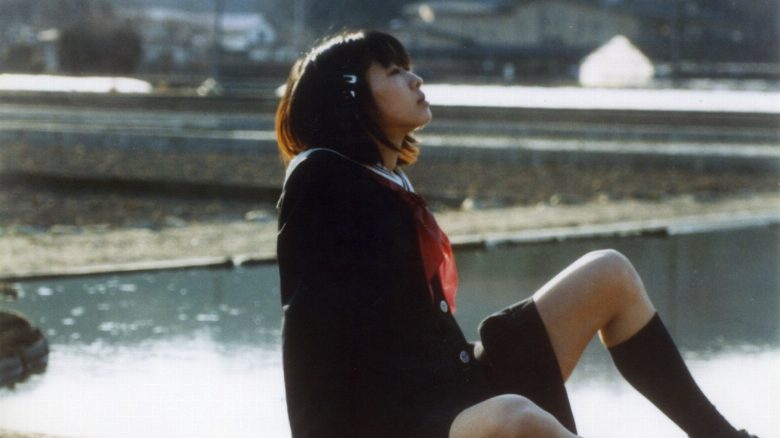
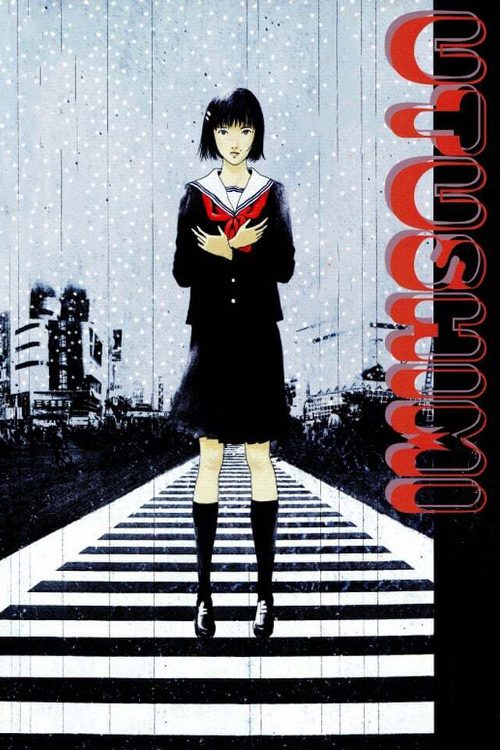
While butoh master Akaji Maro is in rehearsal and fashion designer Shinichiro Arakawa prepares for the Paris collection, Sion begins a movie about a high school girl who falls in love... with a restaurant cook she's never even spoken to. Soon the artists' works come together in a race to help the girl's love.
Venturing back into the early cinematic experiments of Sion Sono, Utsushimi stands as a testament to the director’s penchant for blending disparate artistic worlds into a singular, surreal tapestry. Released at the turn of the millennium, this film occupies a fascinating space in Japanese independent cinema, where the rigid lines between documentary-style observation and whimsical romantic fiction blur entirely. While contemporary Indian audiences are currently witnessing a massive wave of hyper-stylized genre-bending films across industries like the Telugu and Tamil markets, Utsushimi serves as an early blueprint for how filmmakers can weave high-fashion aesthetics and traditional performance art into a narrative structure. It is a work that feels less like a traditional movie and more like a collaborative art installation captured on celluloid.
The premise centers on the quiet yearning of a schoolgirl whose heart is captured by a local chef, yet the film refuses to dwell in the mundane tropes of adolescent longing. Instead, the narrative expands into a meta-fictional exploration of creation itself, pulling in the real-world preparations of fashion designer Shinichiro Arakawa and the intense rehearsals of butoh legend Akaji Maro. This structural choice transforms a simple crush into a communal event, suggesting that the act of falling in love is a performance that requires the synchronization of multiple creative forces. For viewers who enjoy the non-linear, experimental storytelling seen in modern auteur-driven projects, this film provides a unique window into Sono’s early creative philosophy, where the boundaries of reality are consistently tested and reimagined.
This project is essential viewing for those who appreciate cinema as a collaborative medium rather than just a linear story. It speaks to a specific sensibility, one that values the intersection of visual arts and human emotion over the constraints of traditional pacing. The film is perfectly suited for enthusiasts of world cinema who are intrigued by the eclectic mix of fashion, dance, and human connection, and who look for films that challenge the standard definition of a romance. By positioning the lives of established artists alongside the fragile, unspoken desires of a young protagonist, Utsushimi captures a fleeting, dreamlike quality that remains distinct even decades later. It serves as a reminder that the most compelling stories are often those that refuse to stay within the lines, favoring an atmosphere of discovery over the certainty of a predictable plot.