

About Vagabond Employee: Revenge Version
Caught in a corporate power struggle, a man uses betrayal and strategy to expose corruption and settle personal scores—only to find true support where he least expects it.
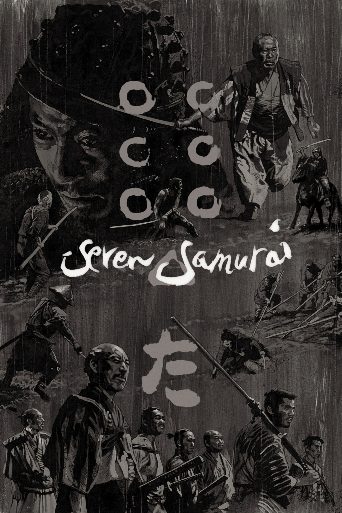
The mid-century Japanese cinematic landscape was defined by a stark transition from traditional values to the cutthroat realities of rapid industrialization, a shift perfectly captured in Vagabond Employee: Revenge Version. While many films of the 1959 era focused on the romanticism of the past, this drama dives headfirst into the claustrophobic corridors of urban salaryman culture. It positions its protagonist as an underdog navigating a labyrinth of institutional greed, offering a precursor to the modern corporate thriller. By centering on the internal mechanics of a firm rather than external action, the film provides a fascinating look at the social hierarchies that governed post-war Japan. For viewers interested in the evolution of workplace dynamics in cinema, it serves as an essential companion piece to the works of masters like Akira Kurosawa, who frequently explored the moral erosion caused by unchecked ambition.
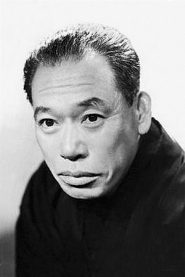
Koji Kamimura delivers a performance that anchors the film, portraying a figure who must shed his passivity to survive a ruthless environment. The narrative tension relies heavily on the presence of Takashi Shimura, whose veteran gravitas adds a layer of profound legitimacy to the unfolding power struggle. Their dynamic moves beyond simple workplace rivalry, touching upon themes of loyalty, systemic disillusionment, and the quiet search for integrity in a world that rewards deceit. The film stands out because it treats corporate bureaucracy as a battlefield as high-stakes as any period samurai epic, proving that the pen and the ledger can be just as dangerous as the sword. This shift in genre focus reflects a broader trend of the time, where the theater of the office became the primary stage for human drama.
Audiences who appreciate slow-burn narratives where intellectual maneuvering dictates the outcome will find this film particularly compelling. It is not a story of explosive spectacle but one of calculated patience and the slow uncovering of hidden truths. The film invites viewers to question the cost of career progression and the value of personal ethics when faced with institutional corruption. Its influence can be felt in later global cinema, particularly in the way it dissects the isolating nature of modern labor. By balancing personal vendettas with a broader critique of societal structures, it remains a sophisticated entry for those who enjoy character-driven stories. The film is a must-watch for anyone looking to understand the roots of the corporate thriller genre and the timeless struggle of the individual against the monolith of the organization.
Cast(15)