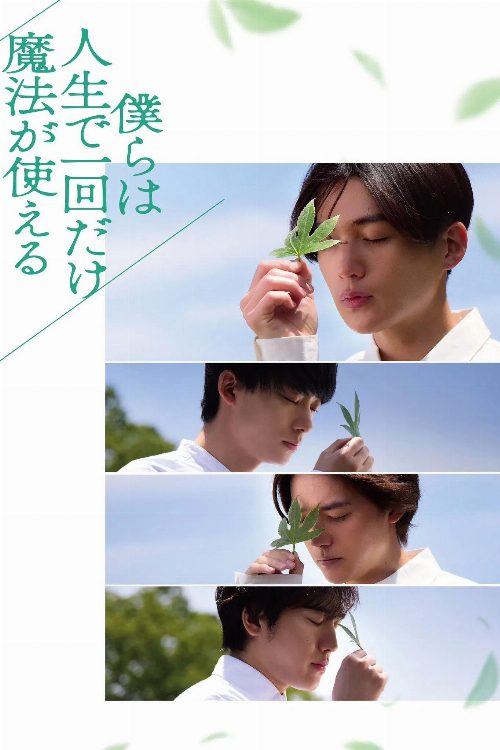
About We Can Only Use Magic Once in Our Lives
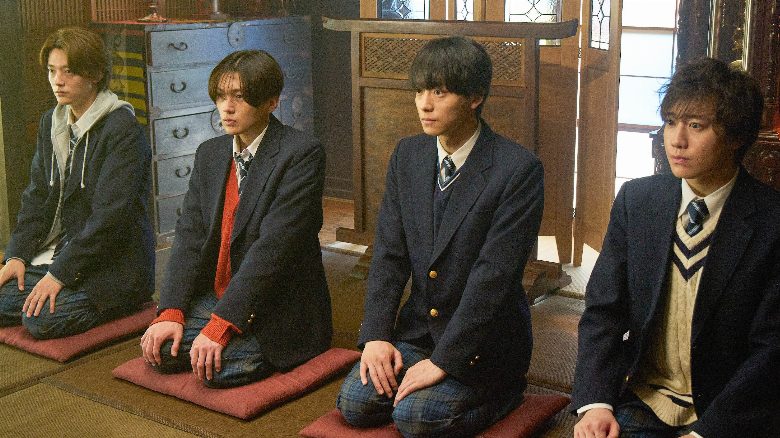
Cinema often leans into the spectacle of the impossible, but Mahito Kimura chooses a more grounded, melancholic path in his latest directorial effort, We Can Only Use Magic Once in Our Lives. By restricting the supernatural to a singular, fleeting opportunity, the narrative transforms a standard fantasy trope into a poignant exploration of human regret and the weight of choice. This Japanese drama eschews the high-octane pacing seen in modern blockbuster trends, favoring a deliberate, character-driven rhythm that invites the audience to ponder what they would sacrifice for a moment of wonder. The film functions less as a grand quest and more as an intimate character study, capturing the quiet desperation of individuals living in a world where miracles are not infinite resources but precious, singular commodities.
The film distinguishes itself by focusing on the emotional toll that such a profound limitation places on its protagonists. While many films in the genre treat magic as a tool for resolution or spectacle, here it serves as an existential anchor. The cast, led by Taiga Tsubaki, navigates this premise with a subtle restraint that keeps the stakes feeling personal rather than cosmic. For fans of contemplative world cinema, this project serves as a refreshing departure from the CGI-heavy exports that often dominate international markets. It echoes the sensibilities of classic Japanese humanistic dramas, where the beauty of the story is found in the stillness between life-altering decisions. The involvement of Cunning Takeyama and Erika Mabuchi adds layers of seasoned gravity, grounding the more ethereal elements of the script in authentic, relatable vulnerability.
Viewers who gravitate toward films that prioritize existential introspection over traditional plot beats will find much to admire here. It is a work for those who appreciate the slower, more deliberate pacing of contemporary Japanese indie cinema, positioning itself as a must-watch for festival circuit enthusiasts and lovers of character-first storytelling. As Mahito Kimura continues to refine his voice within the industry, this film appears to be a definitive statement on the scarcity of joy and the permanence of our actions. It asks the audience to consider the value of their own potential, suggesting that the most powerful magic is not what we change about the world, but what we choose to preserve within ourselves. Whether through its muted color palette or its focus on internal conflict, the film is poised to resonate with anyone who has ever wished for a second chance, only to realize that the rarity of the first is what gives life its true meaning.