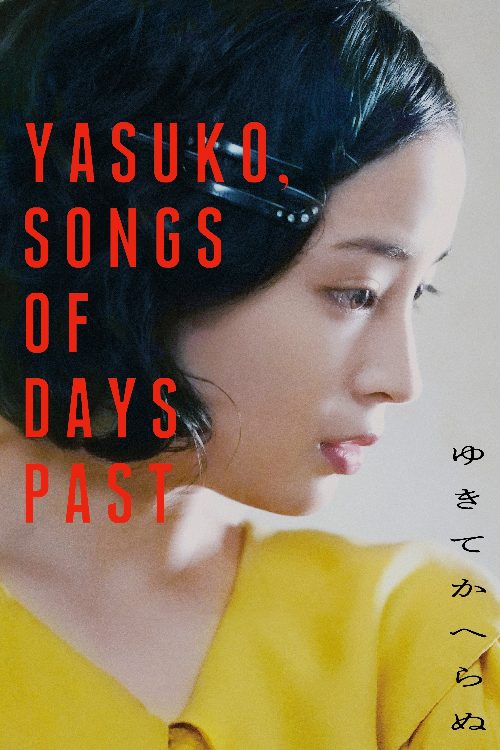
About Yasuko, Songs of Days Past
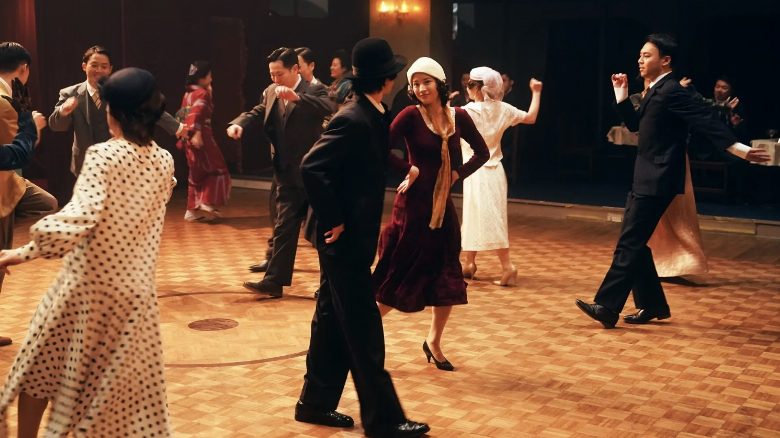
In the early 1920s, Yasuko, a budding actress, crosses paths with Chūya Nakahara, a young poet destined to be revered as a genius. Drawn to each other by their shared pretentiousness, they begin living together and quickly fall into a complex relationship. Their lives take a dramatic turn when they move to Tokyo and are visited by Hideo Kobayashi, a friend of Chūya’s who would later emerge as one of Japan's foremost literary critics. This seemingly chance encounter not only alters Yasuko's fate but also entwines the three of them in an intense and inescapable destiny.
Stepping back into the atmospheric landscape of early twentieth-century Japan, Yasuko, Songs of Days Past captures a delicate moment in history where art and intimacy collide with devastating consequences. The film centers on the burgeoning creative scene of the 1920s, placing a spotlight on the volatile union between an aspiring performer and a man who would go on to define the poetic canon of his generation. While the current global cinematic landscape is currently dominated by high-octane spectacle and expansive franchise storytelling, this production offers a rare, meditative look at the human cost of artistic ambition. For fans of Indian regional cinema who appreciate the period-specific emotional depth found in dramas like those often produced by the Malayalam or Tamil industries, this film provides a similarly rich exploration of how personal relationships are often sacrificed at the altar of intellectual legacy.
The narrative gains its gravity from the performance of Suzu Hirose, who grounds the story in a sense of quiet longing and authentic vulnerability. As the titular protagonist, she navigates the shifting dynamics of a household that becomes a pressure cooker of ego and inspiration once an influential literary critic arrives on the scene. The film functions less as a traditional biopic and more as an examination of how proximity to genius can simultaneously elevate and dismantle an individual. It avoids the trap of romanticizing the bohemian lifestyle, opting instead to reveal the claustrophobic reality of living alongside those whose primary devotion is to their own creative output rather than their partners.
Audiences who gravitate toward character-driven studies of human frailty will find much to admire in the way the director balances these three distinct personalities. It is a work that demands patience, inviting viewers to sit with the discomfort of its protagonists as they negotiate the boundaries between love and obsession. The film arrives at a time when there is a significant appetite for stories that prioritize mood and historical texture over plot-heavy twists. It stands out as a sophisticated entry in the year's romantic drama category, specifically for those who prefer their cinema to linger on the unspoken tensions between characters long after the dialogue has ceased. This is a must-watch for anyone interested in the intersection of fame and identity, offering a poignant look at a woman struggling to define her own existence in the shadow of men who are destined to be remembered by history.