
Your Heart in My Head(2005)
About Your Heart in My Head
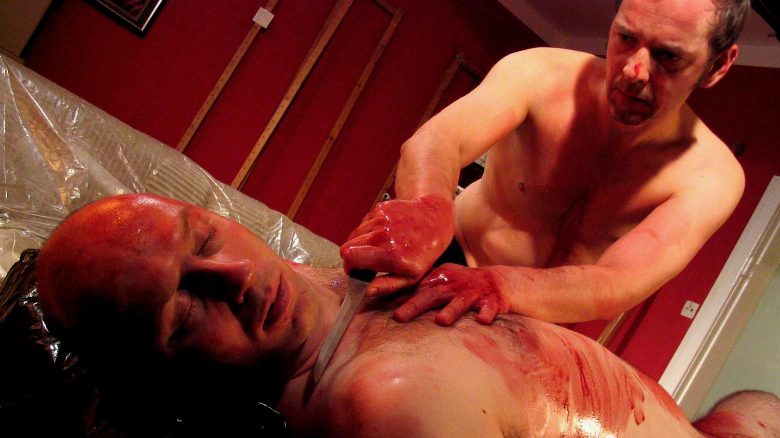
A retelling of the events that led to the death of Bernd Juergen Brandes. Brandes responded to Armin Meiwes' Internet ad in 2001, where Meiwes indicated that he was looking for a man willing to be killed and eaten.
Cinema history is replete with explorations of the darker corners of human psychology, but few films venture as deeply into the unsettling intersection of digital isolation and physical obsession as the 2005 German horror feature Your Heart in My Head. Rather than relying on the jump scares or supernatural tropes common in mainstream genre exercises, this production opts for a clinical and often agonizingly restrained examination of a real life tragedy that once sent shockwaves through the global media landscape. By focusing on the fateful connection formed between two men through the early days of internet forums, the film strips away sensationalism to peer directly at the distorted intimacy that can bloom in the anonymity of the web. It is a stark departure from typical horror fare, positioning itself more as a psychological character study that examines how extreme loneliness can evolve into a fatal pact.
This project occupies a niche space in international independent cinema, serving as a bleak reflection of the anxieties surrounding the nascent age of online communication. While Indian audiences are accustomed to high-stakes thrillers that often lean into stylized action or moralistic storytelling, this German entry offers a completely different, almost claustrophobic experience. It challenges the viewer to confront the uncomfortable reality of how quickly human boundaries can erode when two desperate individuals find their specific, aberrant desires mirrored in one another. The performances by Martin Ontrop and Martin Molitor are central to the film’s efficacy, as they must navigate a script that requires them to embody a profound sense of detachment and intense, ritualistic commitment.
Viewers who enjoy slow-burn dramas or films that investigate the anatomy of true crime will find this a particularly heavy but compelling watch. It is certainly not a film for those seeking escapism; instead, it is designed for an audience that appreciates a rigorous, unblinking look at the fringes of human behavior. Given the historical weight of the source material, the film manages to maintain a tone of grim curiosity rather than simple exploitation. It remains a notable example of how European horror from the mid-2000s utilized sparse production design and focused acting to create an atmosphere of dread that persists long after the screen goes dark. For cinephiles interested in the evolution of horror as a medium for social and psychological commentary, this remains a challenging yet essential point of reference.
Crew
Editor
Director of Photography
Similar Films