
About A Summer Tale
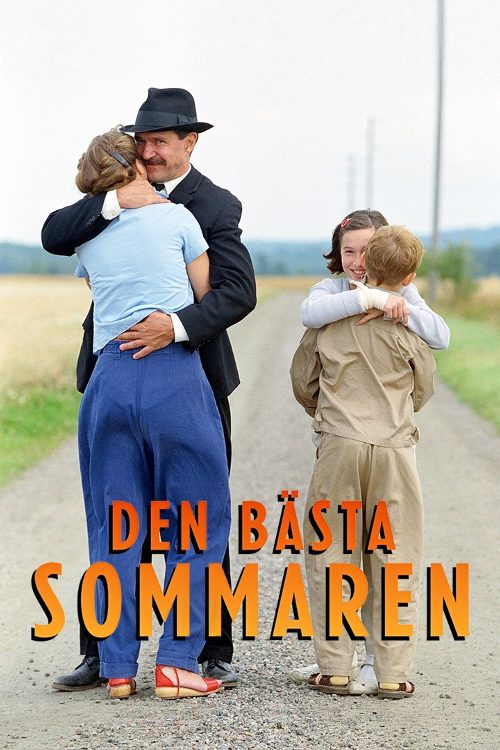
The summer of '58, the year Sweden almost won the world championship in soccer over Brazil, Yngve Johansson accepts two children to live with him during the summer, as told through the eyes of a young boy. His name is Mårten, and the other child's name is Annika. She is a rough girl, with many problems. The three of them do not get along, and Yngve is a true dictator to the children's eyes. However, when the children discover that their new guardian has a crush on their teacher (Cecilia Nilsson), they do what they can to bring the two together. Soon enough, the three will discover that they have a lot more in common than they previously imagined, and together they can make their lives worth living again. This is a sweet story about life in Sweden in the mid 1900's. It is about family, love, hate, innocent friendship that we all can relate to, and much, much more...
The year 1958 holds a storied place in Swedish history, marked by the tension of a world soccer final against Brazil that captured the national imagination. Against this backdrop of sporting glory and mid-century nostalgia, A Summer Tale offers a poignant look at the unexpected intersections of human lives. While modern audiences in the Indian subcontinent are currently accustomed to the high-octane spectacles of pan-Indian blockbusters, there is a quiet, enduring appeal in European period dramas that prioritize character dynamics over grand set pieces. This film excels by placing a stern, seemingly rigid guardian in the path of two displaced youngsters, creating a friction that feels universal despite its specific regional setting. It serves as a gentle reminder that even the most disparate personalities can find common ground when faced with the complications of adult longing.
At the heart of the narrative is the budding dynamic between Yngve and the two children, Marten and Annika, who arrive in his care during a season of profound change. The film cleverly uses the backdrop of a romantic pursuit as a catalyst for growth, transforming the children from reluctant observers into active participants in their guardian's personal life. Much like the nuanced domestic dramas often found in contemporary Malayalam cinema, the film refuses to rely on archetypes, preferring instead to peel back the layers of frustration and loneliness that define its central trio. Director Kjell Bergqvist delivers a performance that captures the essence of a man struggling to balance his own unmet desires with the responsibilities of a reluctant caregiver, grounding the story in a reality that feels both melancholic and hopeful.
Viewers who appreciate the slow-burn emotional arcs seen in regional classics will find much to admire here. It is an ideal recommendation for those who enjoy stories about the formation of unconventional families and the way shared secrets can bridge generational divides. By stripping away the melodrama, the film allows the quiet ache of 1950s life to resonate, proving that the search for connection is a timeless pursuit. Whether it is the chemistry between the leads or the atmospheric depiction of a sun-drenched Swedish summer, the film remains a thoughtful meditation on the fragility of childhood and the resilience of the human spirit. For anyone seeking a cinematic experience that balances gentle humor with genuine heart, this piece remains a beautifully crafted artifact of Scandinavian storytelling that transcends its era.
Cast(14)