About The Outlaw and His Wife
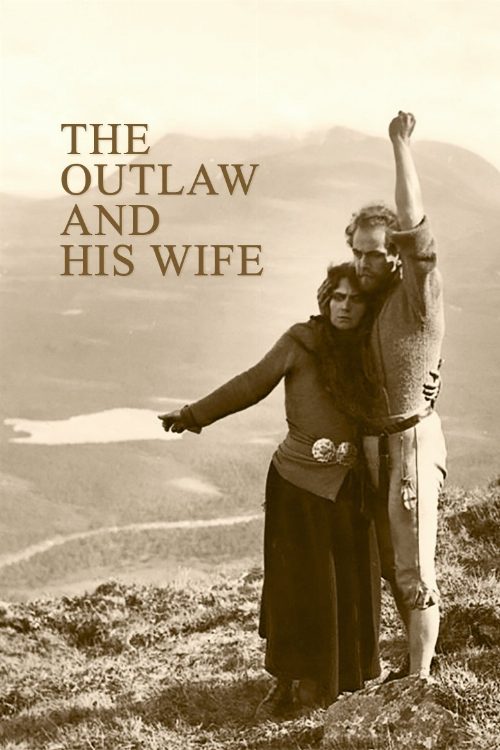
A stranger comes to work at widow Halla's farm. Halla and the stranger fall in love, but when he is revealed as Eyvind, an escaped thief forced into crime by his family's starvation, they flee and become two of the many outlaws of Iceland's mountains.
Victor Sjostrom remains a titan of silent era cinema, and his 1918 masterpiece The Outlaw and His Wife stands as a profound testament to his ability to blend stark naturalism with deep emotional resonance. Set against the rugged, unforgiving backdrop of the Icelandic wilderness, the narrative explores the intersection of social ostracization and the primal instinct for survival. While modern Indian audiences are accustomed to high-octane dramas where protagonists fight systemic corruption, this film offers a more meditative, stripped-back look at how individuals are cast out by a rigid society. The story centers on a widow who finds an unexpected partner in a mysterious laborer, eventually discovering that his dark past stems from a desperate struggle against hunger rather than innate malice. This evolution from a domestic drama into a harrowing tale of fugitives living on the margins of civilization feels surprisingly relevant to contemporary discussions about class disparity and the lengths to which people will go to protect their own humanity.
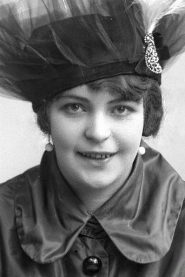
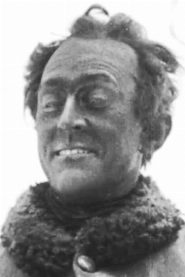
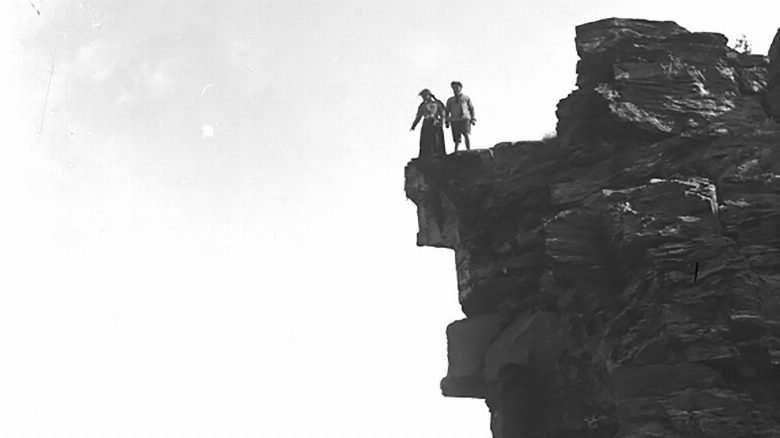
For viewers who appreciate the slow-burn intensity of classic world cinema, this film is an essential watch. Its visual language captures the isolation of the mountains not just as a setting, but as a character that mirrors the internal state of the protagonists. Much like the intense emotional landscapes found in the best of Malayalam or Kannada parallel cinema, the film relies heavily on the strength of its performances to carry the heavy thematic load. Edith Erastoff and Victor Sjostrom provide a masterclass in understated acting, conveying volumes through gaze and gesture rather than dialogue cards. The film avoids easy moralizing, choosing instead to present the harsh consequences of a community that refuses to offer a second chance to those who have stumbled.
This production serves as a bridge for cinephiles interested in the roots of visual storytelling. While the pacing demands patience from a modern audience conditioned to rapid cuts, the reward lies in the raw, authentic depiction of love under duress. Those who enjoy period dramas that prioritize atmosphere and character development over plot-heavy spectacle will find much to admire here. By positioning the outlaw not as a villain but as a victim of circumstance, the film aligns with a tradition of sympathetic storytelling that continues to resonate across global industries today. It remains a haunting exploration of how society dictates who belongs and who must disappear into the shadows, proving that the most compelling conflicts are often those fought in the silence of one's own conscience.
Cast(17)