About Girls Lost
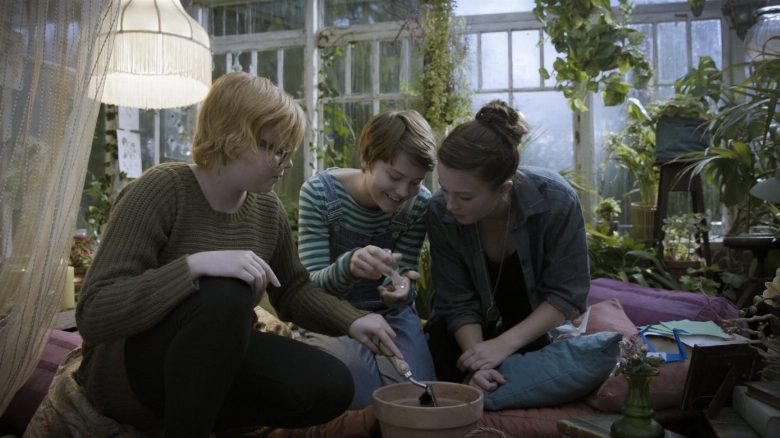
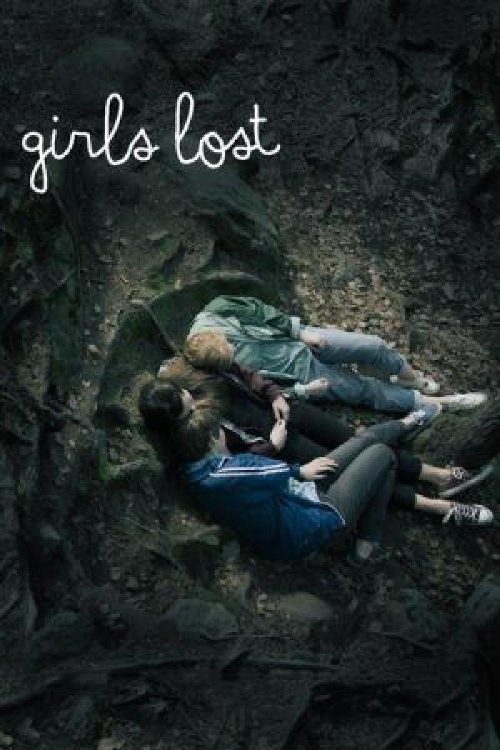
Kim, Bella and Momo are three fourteen-year-old girls who discover a fantastic flower with magic qualities: by drinking its nectar they are transformed into boys and they enter a new world. At first they enjoy their newly found freedom, but soon Bella and Momo realize that there are downsides to it. Kim however gets seriously addicted…
Swedish cinema has long excelled at peeling back the layers of adolescent angst, and Girls Lost stands out as a particularly evocative entry in this tradition of Nordic coming of age tales. By blending grounded social realism with a touch of supernatural wonder, director Alexandra-Therese Keining crafts a narrative that feels both intimate and expansive. The story follows a trio of teenage friends who stumble upon a botanical secret that allows them to physically transition into boys. This central premise serves as a potent metaphor for the complexities of identity, the fluidity of gender during the formative years, and the intense desire to escape the restrictive expectations placed upon young women. While it operates in the realm of fantasy, the emotional weight of the film remains firmly rooted in the struggles of being an outsider in a world that often demands conformity.
The film distinguishes itself by avoiding the typical tropes associated with body swapping or magical transformations. Instead of focusing on the mechanics of the spell, the narrative prioritizes the psychological shift within the protagonists. As the characters navigate their new physical forms, the shift in how society perceives and interacts with them becomes a source of both liberation and conflict. This exploration of the male experience through the eyes of those who have lived as girls offers a nuanced perspective on power dynamics and social hierarchies. It is a thought-provoking watch for those who appreciate character-driven dramas that challenge conventional understandings of selfhood. The film resonates particularly well with viewers who enjoy works that interrogate the boundaries between innocence and experience, much like the recent wave of international cinema that explores the vulnerability of youth.
With a cast led by Louise Nyvall, Emrik Ohlander, and Vilgot Ostwald Vesterlund, the ensemble captures the restlessness and volatility of the teenage experience with remarkable authenticity. The performances anchor the fantastical elements, ensuring that the audience remains connected to the internal journeys of the characters even as the plot takes its dreamlike turns. For followers of European genre-bending films, this project is a compelling study of how identity is constructed and performed. It does not offer easy answers about the nature of gender, but rather invites the audience to observe the messy, often painful process of finding one's place in the world. Anyone interested in visually striking stories that prioritize thematic depth over spectacle will find this journey into the unknown both haunting and deeply relatable.