About Miss Julie
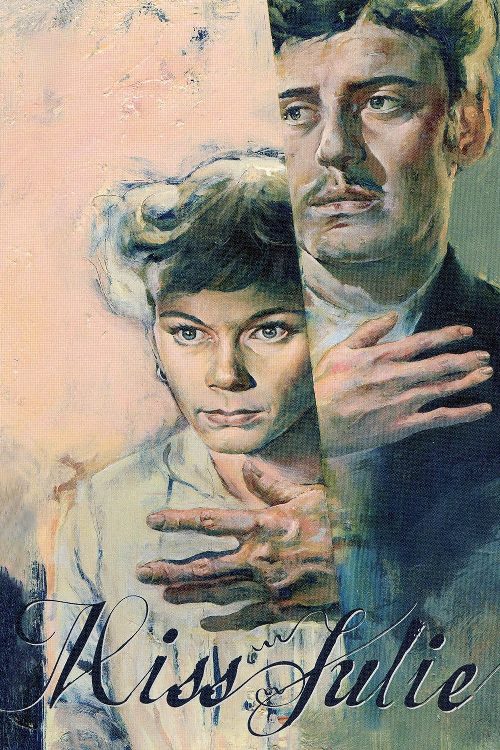
Based on the play by August Strindberg, Miss Julie vividly depicts the battle of the sexes and classes that ensues when Julie, a wealthy businessman's daughter, falls for Jean, her father's bitter servant.
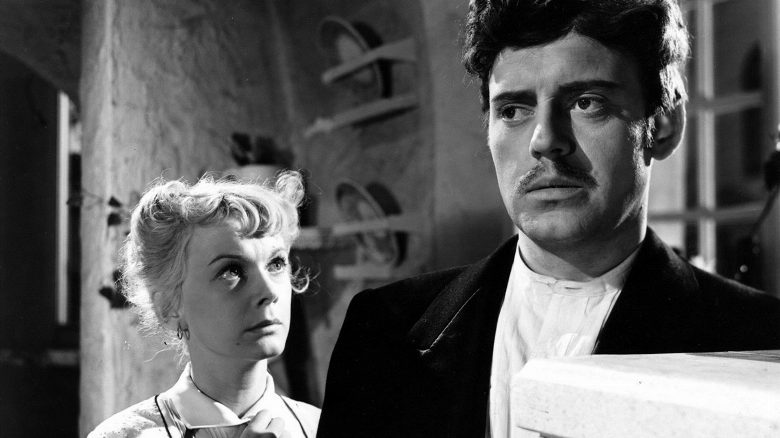
Few works of literature have successfully captured the volatile intersection of social hierarchy and personal desire quite like the midsummer night fever found in Miss Julie. Directed by Alf Sjoberg, this 1951 adaptation breathes cinematic life into the heavy atmosphere of the original August Strindberg play, grounding its theatrical roots in a stark, visual language that remains compelling decades later. By placing the narrative in a Swedish estate during a festive period, the film highlights the fraying edges of decorum when a high-born woman and a member of the domestic staff find themselves alone together. It is a chamber drama that relies on the simmering tension between its leads, stripping away the comfort of class distinctions to reveal the raw, often uncomfortable realities of human attraction and power dynamics.
For audiences familiar with the current wave of intense, character-driven dramas in Indian cinema, particularly the psychological depth often explored in modern Malayalam or Tamil independent features, this film serves as a foundational blueprint for the domestic thriller. It avoids the broad strokes of melodrama, opting instead for a claustrophobic examination of two people trapped by their own ambitions and societal expectations. Anita Bjork delivers a performance defined by fragility and defiance, while a young Max von Sydow provides the perfect foil, embodying the calculated resentment of a man aiming for a life beyond his station. Their chemistry is not one of romantic ease but of desperate manipulation, making the film a fascinating study for those who appreciate cinema that lingers on the uncomfortable truths of human behavior.
This classic remains a mandatory viewing experience for cinephiles who value the evolution of the psychological drama. Sjoberg makes brilliant use of light and shadow, using the architecture of the household to mirror the internal imprisonment of his characters. While many films of the era leaned into romantic idealism, this production stands out for its refusal to provide easy answers or moral comfort. It is positioned as an essential historical text for anyone interested in how European art house cinema influenced global storytelling styles. Whether you are a student of film history or simply a viewer who enjoys narratives that challenge the status quo, this piece of Swedish cinema offers a masterclass in tension and thematic density that transcends its mid-century origins to feel surprisingly urgent in the modern day.
Cast(29)