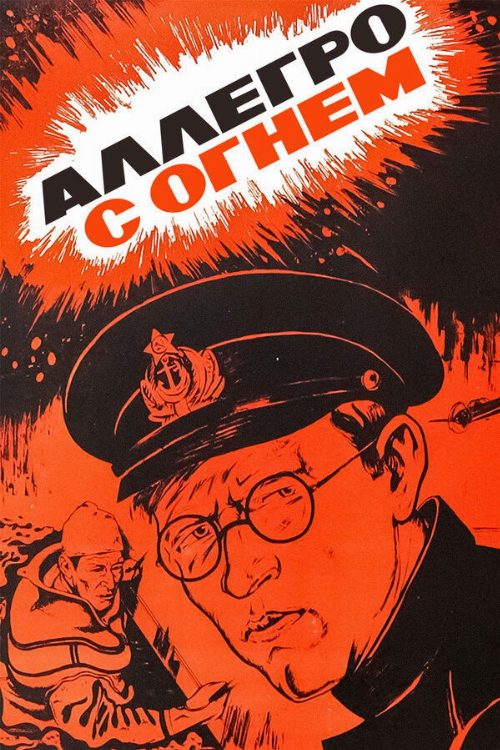
About Allegro with Fire
A heroic story about Soviet sailors fighting Nazis during WWII.
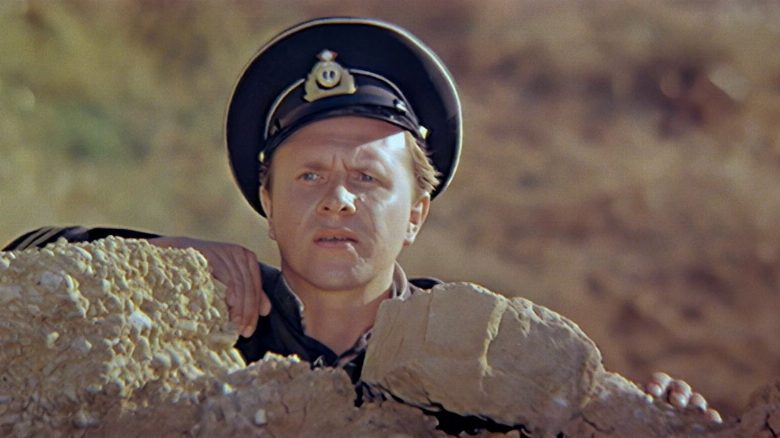
The maritime theater of the Second World War often feels overshadowed by the sprawling infantry battles depicted in classic cinema, yet Allegro with Fire breathes salt air and high stakes into this neglected corner of history. This 1979 Soviet production captures the harrowing reality of naval warfare through a lens that prioritizes tension and tactical precision over mere spectacle. By focusing on the specialized and dangerous work of sailors tasked with clearing mines, the film transforms the vast, unpredictable Baltic Sea into a claustrophobic battlefield. It is a stark departure from the typical bombastic war epics of its era, opting instead for a methodical exploration of human endurance under the constant, invisible threat of submerged explosives.
For fans of Indian cinema who appreciate the gritty, survival-oriented narratives seen in recent Malayalam or Tamil war dramas, this film offers a fascinating comparative look at how different industries handle the theme of professional duty. While regional Indian cinema often emphasizes the emotional weight of patriotic sacrifice, Allegro with Fire leans into the technical expertise required of its protagonists. Vladimir Zamanskiy delivers a performance that anchors the film in quiet gravity, steering the audience away from melodrama and toward a deeper understanding of the psychological toll borne by those who operate in the shadow of death. It is the kind of storytelling that values the weight of a gaze or the silence between sonar pulses just as much as the kinetic force of an underwater detonation.
Viewers who enjoy character-driven dramas that refuse to simplify the complexities of conflict will find much to admire here. The cinematography captures the cold, unforgiving nature of the ocean, effectively making the environment a character in its own right. As the crew faces mounting pressure from the encroaching enemy and the volatile conditions of their mission, the film masterfully builds a sense of dread that remains palpable throughout. It stands as a testament to a period of filmmaking that prioritized atmosphere and procedural realism, ensuring its relevance for modern audiences who seek depth rather than just mindless action. Whether you are a scholar of global war cinema or simply someone who appreciates a taut, well-executed suspense narrative, this work remains a significant artifact of mid-century Soviet craftsmanship that feels remarkably grounded even decades later.
Cast(15)