
About Caravan
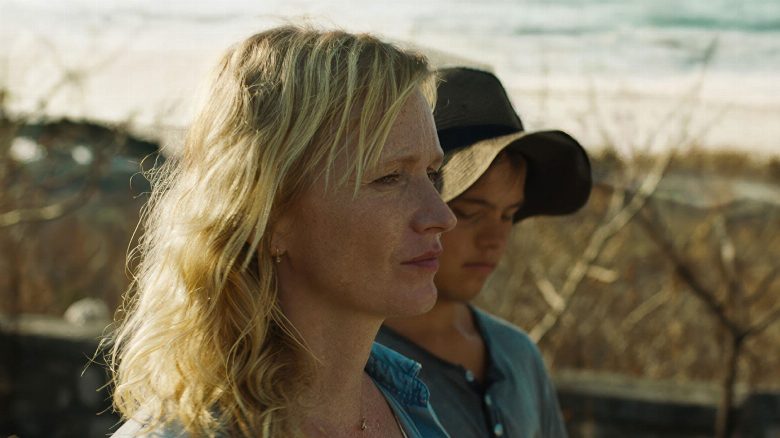
Overwhelmed by motherhood, Ester steals a caravan and flees to southern Italy with her son David, with an intellectual disability. They meet a young drifter whose open heart transforms their makeshift family into something freer, lighter, and full of unexpected hope.
The cinematic landscape often explores the heavy burdens of caregiving, yet Caravan distinguishes itself by trading the claustrophobia of domestic expectations for the vast, sun-drenched possibilities of the open road. Directed by Zuzana Kirchnerova, this poignant drama captures the desperate impulse to escape the crushing weight of daily routine. When the protagonist, Ester, makes the impulsive decision to hijack a vehicle and head toward the Mediterranean coast with her son, the film shifts from a quiet character study into a transformative odyssey. By focusing on a mother navigating the complex realities of raising a child with intellectual disabilities, the narrative avoids the common pitfalls of sentimentality, choosing instead to examine the raw, unfiltered tension between duty and the innate human yearning for personal liberation.
This European production finds common ground with the current wave of global cinema that prioritizes internal emotional journeys over high-octane spectacle. Readers of our site who appreciate the nuanced family dynamics found in contemporary Malayalam or Marathi dramas will likely find a familiar sincerity here. The film serves as a meditation on the concept of home, suggesting that a sense of belonging is not tethered to a physical address but to the people we choose to invite into our lives. As Ester and her son encounter a nomadic drifter, the story evolves into an exploration of found family structures, illustrating how chance encounters can recalibrate our perspective on what it means to lead a meaningful life. The chemistry between Anna Geislerova and the ensemble cast provides a grounded anchor for these shifting interpersonal connections, ensuring the stakes remain deeply personal even as the scenery changes.
Viewers who gravitate toward slow-burn storytelling and atmospheric visuals will find plenty to admire in this latest work. It is a film for those who appreciate cinema that lingers on the quiet moments of grace amidst chaos, offering a refreshing departure from the formulaic narratives that dominate modern multiplexes. By resisting easy answers regarding the challenges of parenting, the director invites the audience to sit with the discomfort of uncertainty. Whether you are a dedicated fan of international art house projects or simply searching for a narrative that balances grit with genuine optimism, this journey toward the Italian south promises to be a contemplative experience. It stands as a testament to the idea that sometimes, in order to reclaim one's own identity, one must be brave enough to drive away from everything that has previously defined them.