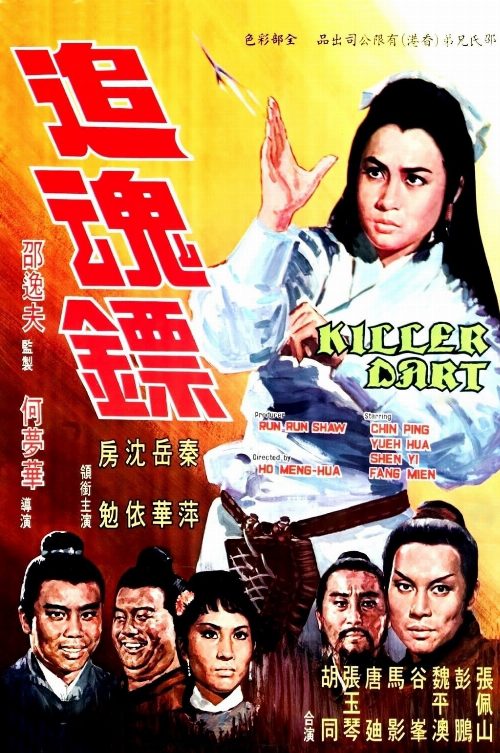
About Killer Darts
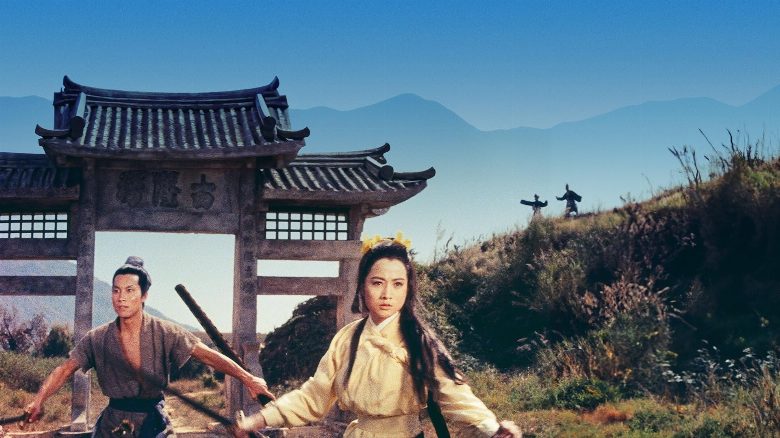
They brutally killed his wife, wiped out dozens of his innocent people, and burnt his entire village down to a charbroiled crisp. Now, master Liou Wen-lung is out for revenge. Armed with a near-invincible sword style and a pack of killer darts, he heads out to settle a 10-year old grudge with the cold-blooded evildoers. Joining him is his son, an orphan named Yu Sien and his trusty servant.
The golden age of Hong Kong action cinema remains a treasure trove for modern audiences who appreciate the raw, kinetic energy that defined the late sixties. Killer Darts stands as a quintessential artifact of this era, capturing a period where the industry was transitioning from traditional operatic storytelling toward the more visceral, weapon-focused combat styles that would eventually dominate the global stage. While contemporary Indian cinema often leans into expansive mythologies or hyper-stylized heroics, this classic offers a stark, grounded perspective on the mechanics of vengeance. It serves as a fascinating precursor to the high-octane revenge sagas we frequently analyze today, reminding us that the blueprint for the lone warrior seeking retribution was already being perfected long before the digital age of filmmaking.
The narrative trajectory focuses on a protagonist whose life has been systematically dismantled by a ruthless adversary. By centering the conflict on the personal loss of a family and a community, the film taps into a universal emotional frequency that resonates across cultural borders, much like the intense familial dramas found in the best of Telugu or Tamil revenge thrillers. The inclusion of the iconic weaponry mentioned in the title adds a unique tactical layer to the choreography, distinguishing it from the purely blade-heavy epics of the time. This is not merely a story of swordplay but a study in how grief can be weaponized into a singular, unwavering objective. Viewers who find themselves drawn to the classic tropes of a hero rising from the ashes of his past will find the pacing and stunt work particularly compelling.
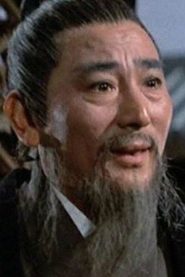
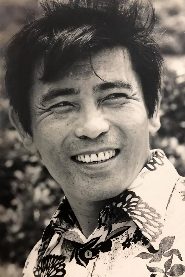
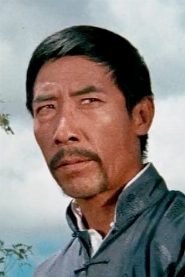
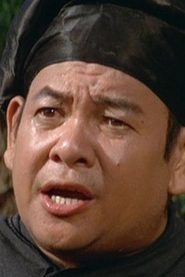
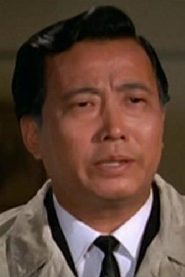
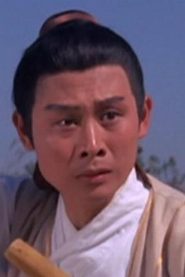
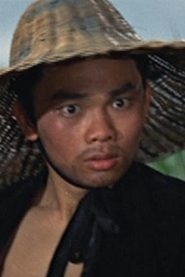
Directorially, the film benefits from a cast that truly understands the physical demands of the genre. Watching seasoned performers like Fang Mian and Ku Feng navigate these sequences provides a masterclass in screen presence, illustrating how actors once relied on sheer intensity rather than visual effects to convey danger. This piece is tailor-made for cinephiles who track the lineage of martial arts cinema and want to see the foundational techniques that informed later giants of the industry. It occupies a space between the stately, theatrical dramas of the early decade and the explosive, fast-paced fighting styles that would explode in popularity just a few years later. For those eager to revisit the roots of the vigilante archetype, this film provides a sharp, focused look at a genre in transition, proving that the classic theme of the hunter becoming the hunted never truly goes out of style.
Cast(18)