About Mektoub
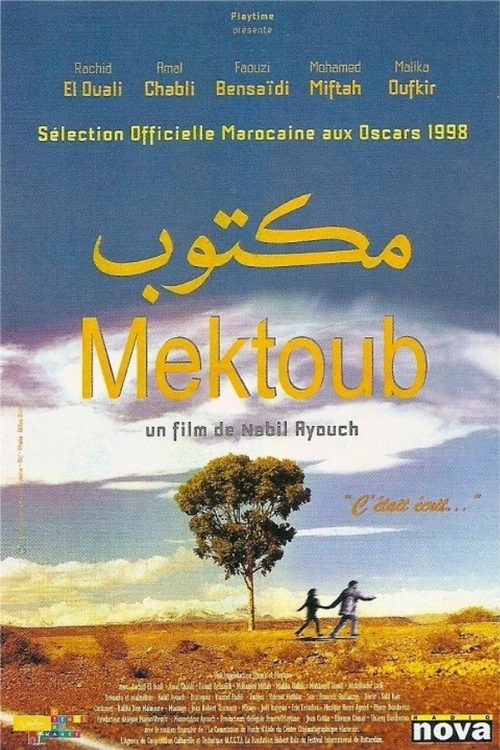
A young woman attending a conference in Tangier with her husband is kidnapped and raped, but rebuilds her relationship with her husband on a trip to the south of Morocco.
Nabil Ayouch has long established himself as a filmmaker who refuses to shy away from the harsh societal realities woven into the fabric of Moroccan life. Released in 1997, Mektoub stands as a pivotal early work in his filmography, signaling the arrival of a director committed to exploring the psychological weight of trauma within a conservative cultural framework. Rather than opting for a conventional narrative of victimhood, the film delves into the complexities of human endurance and the fragile bonds of marriage when tested by a sudden, violent intrusion of fate. It captures the tension between the modern aspirations of its protagonists and the deep-seated traditional expectations that often dictate the aftermath of tragedy.
The story centers on a couple whose lives are irrevocably altered during a professional visit to Tangier. When an act of brutality shatters their sense of security, the narrative shifts from the urban hustle of the north to the stark, expansive landscapes of southern Morocco. This geographical transition acts as a mirror for their internal emotional shifts, forcing the characters to confront their silence and the societal pressures that threaten to drive them apart. By placing the intimate struggle of his leads against the backdrop of the Moroccan wilderness, Ayouch elevates a deeply personal conflict into a meditation on destiny, as the title itself implies. It is a stark departure from the glossier dramas of the era, focusing instead on the raw, unvarnished communication—and lack thereof—between a husband and wife struggling to reconcile their past with an uncertain future.
Viewers who appreciate the deliberate pacing and thematic depth found in contemporary world cinema will find this film particularly resonant. It serves as an essential watch for those interested in the evolution of North African filmmaking, as it predates the global rise of Moroccan cinema that Ayouch would later spearhead. Fans of character-driven dramas that prioritize emotional interiority over action-oriented plot points will likely be drawn to the performances, which rely on subtle shifts in expression rather than grand, expository dialogue. For audiences accustomed to the high-stakes storytelling of the Indian film industry, Mektoub offers a different frequency of drama—one that is quiet, contemplative, and profoundly unsettling. It remains a haunting exploration of how individuals attempt to reclaim their agency when the world has stripped it away, anchored by a director who remains one of the most vital voices in international drama.
Cast(15)