About The Curse
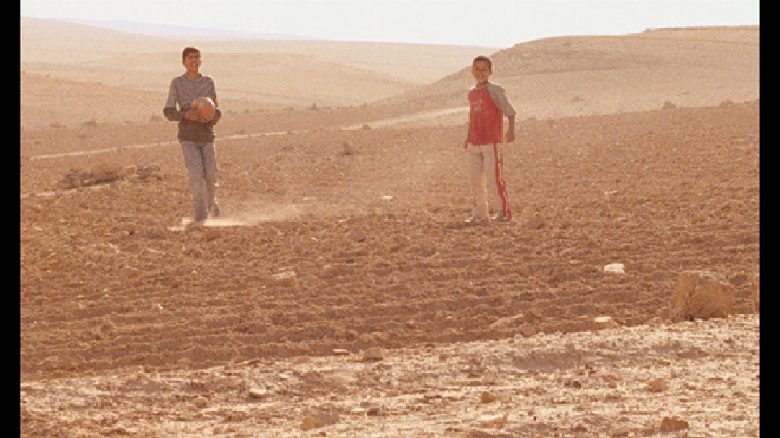
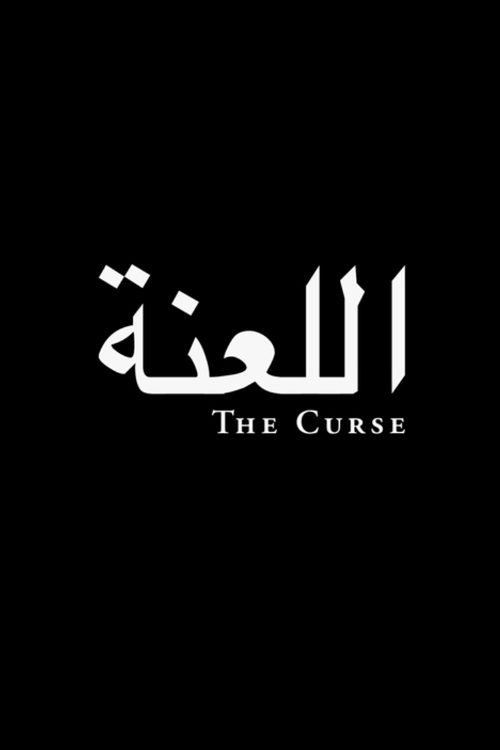
Fyzal Boulifa's Cannes winning and Bafta-nominated short is an allegory of emancipation inspired by his mother's experience growing up in Morocco. Produced by Gavin Humphries the film also won the Fujifilm Prize and was selected for Sundance.
The Curse arrives as a poignant exploration of the tension between personal autonomy and the weight of traditional expectations, grounding its narrative in the visceral reality of Moroccan life. Director Fyzal Boulifa crafts a story that feels both intimately personal and broadly resonant, drawing from the lived history of his own mother to examine the mechanisms of social ostracization. Unlike many dramas that opt for overt spectacle, this film relies on a restrained aesthetic, allowing the performances to carry the burden of its heavy thematic inquiry. By focusing on the quiet, often invisible barriers placed before women, Boulifa demonstrates a keen ability to translate specific cultural nuances into a universal language of struggle and eventual liberation.
In the current landscape of global cinema, where audiences are increasingly gravitating toward stories that challenge conventional gender narratives, this film serves as a vital entry point for those interested in North African storytelling. Its recognition at major festivals like Cannes and Sundance highlights a shift in international appreciation for short-form narratives that pack the emotional punch of a feature-length production. For viewers who appreciate the social realism found in acclaimed Indian independent cinema, such as the works emerging from the Malayalam or Tamil industries that prioritize character depth over high-concept tropes, this film offers a familiar sense of grounded authenticity. It is a work for the patient cinephile who values atmosphere and subtext, rewarding those who pay close attention to the shifting dynamics between its cast members.
The strength of the film lies in how it avoids moralizing, instead presenting its characters as multifaceted beings navigating a rigid environment. The ensemble cast provides a grounded anchor for the script, ensuring that the emotional stakes remain high without ever feeling melodramatic. As a director, Boulifa shows a clear trajectory toward exploring the complexities of human dignity under pressure, a trait that makes his body of work essential viewing for anyone tracking the evolution of auteur-driven drama. Whether the audience is familiar with the socio-political context of the region or is discovering it for the first time, the film leaves a lasting impression through its refusal to offer easy answers. It is a testament to the power of narrative economy, proving that a focused story, when executed with precision and empathy, can resonate deeply across borders and cultures.