The Message(1976)
About The Message
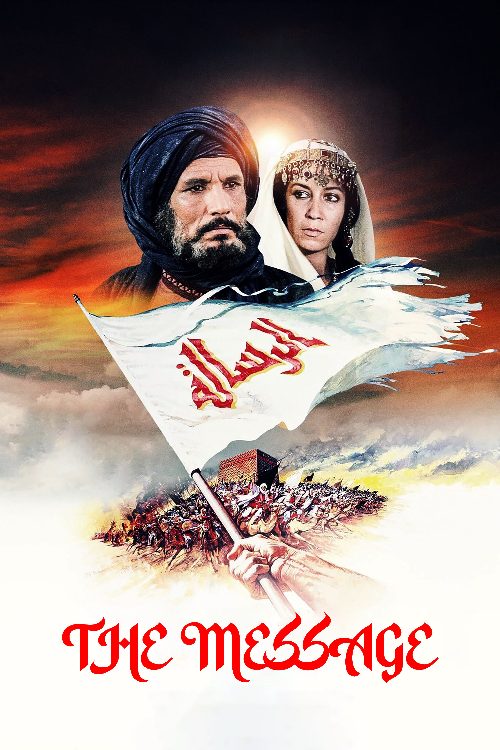
In sixth-century Mecca, Prophet Muhammad receives his first revelation from God as a messenger. Three years later, he's not alone in his quest and publicly declares his prophecy. Muhammad is fought by Abu Sufian and his wife Hind, rulers of Mecca. Muhammad's followers are hunted and tortured but he continues his calling.
Few historical epics possess the enduring cultural weight and structural ambition of The Message, a 1976 production that fundamentally reshaped how global audiences perceive the origins of Islam. By choosing to center the narrative on the life of Prophet Muhammad while adhering to the theological restriction of not depicting the Prophet directly on screen, director Moustapha Akkad crafted a cinematic language rooted in perspective and suggestion. This stylistic choice forces the viewer to experience the burgeoning movement through the eyes of those surrounding the Prophet, effectively turning the film into a sprawling tapestry of political upheaval, personal sacrifice, and spiritual transition. The film remains a vital touchstone for international cinema, proving that a story centered on faith and societal transformation can be told with the grand scale of a classic Hollywood adventure.
Set against the rugged, unforgiving landscapes of seventh-century Arabia, the film navigates the intense friction between established Meccan power structures and the emerging egalitarian message that threatened to dismantle the status quo. For modern viewers familiar with the current wave of high-budget historical dramas in Indian cinema, this film serves as an early masterclass in balancing epic battles with intimate character arcs. The friction between the ruling elite, led by figures like Abu Sufian and Hind, and the early proponents of the new faith creates a tense, high-stakes atmosphere that feels surprisingly contemporary. It avoids the dry, textbook approach often found in period pieces, opting instead for a visceral, action-oriented pacing that highlights the desperation of the persecuted and the resolve of the visionaries.
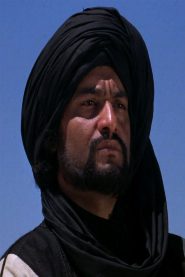
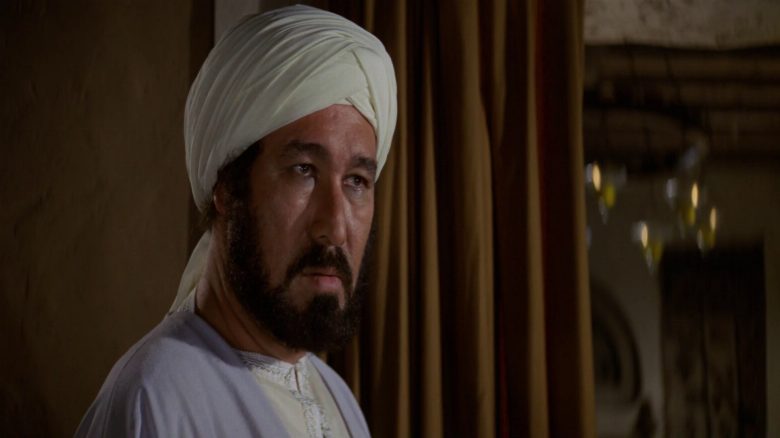
Audiences who appreciate films that blend historical gravity with grand production design will find much to admire here. It is an essential watch for those interested in the evolution of religious epics and how filmmakers navigate the complexities of representing sensitive historical events for a diverse, global audience. The performances, particularly from actors like Abdallah Ghaith, anchor the film in a raw, human reality that transcends its age. As the story unfolds, it emphasizes themes of resilience, the cost of change, and the power of conviction, making it a timeless exploration of human nature under pressure. Whether you are a student of film history or simply a fan of sweeping dramas that challenge the boundaries of visual storytelling, this work remains an indispensable entry in the annals of world cinema.
Cast(32)