
The Voice of Hind Rajab(2025)
About The Voice of Hind Rajab
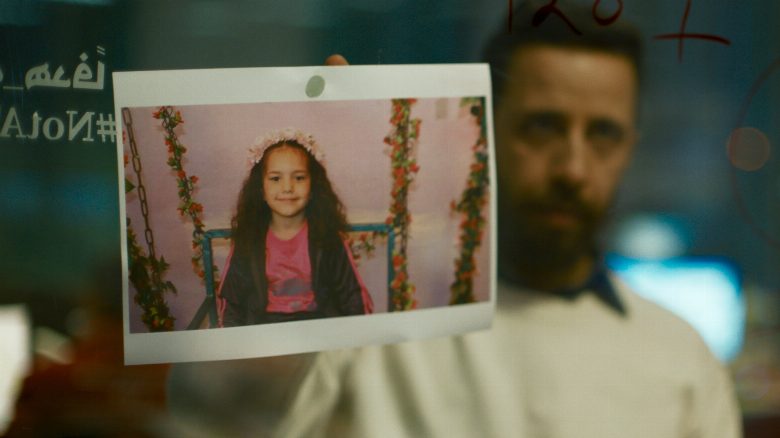
January 29, 2024. Red Crescent volunteers receive an emergency call. A five-year old girl is trapped in a car under fire in Gaza, pleading for rescue. While trying to keep her on the line, they do everything they can to get an ambulance to her. Her name was Hind Rajab.
The harrowing reality of conflict often finds its most potent expression through the singular, fragile thread of human connection, a theme that serves as the heartbeat of The Voice of Hind Rajab. By centering its narrative on a desperate telephonic plea from a trapped child, the film transcends the typical scope of war cinema to focus on the unbearable weight of helplessness. This is not merely a chronicle of a localized catastrophe but a profound examination of the ethical dilemmas faced by those caught in the crossfire. For audiences accustomed to the high-octane emotional resonance found in contemporary Indian cinema, where narratives frequently pivot on the struggle of the marginalized against systemic indifference, this Arabic drama offers a stark, grounded companion piece that demands unwavering attention.
The film distinguishes itself by eschewing grand cinematic spectacles in favor of an intimate, claustrophobic tension that forces the viewer into the position of the unseen witness. Directed with a restraint that prioritizes the gravity of its subject matter, the production captures the frantic coordination of humanitarian workers attempting to navigate a landscape defined by danger. Motaz Malhees and Amer Hlehel deliver performances that anchor the script in raw, unvarnished humanity, steering clear of melodrama to highlight the terrifying simplicity of a child needing safety. This approach resonates with the current global cinematic shift toward hyper-realistic portrayals of historical and social trauma, reflecting a trend where filmmakers are increasingly utilizing the medium to document the fragility of civilian life.
Viewers who appreciate slow-burn dramas that challenge the conscience will find this project particularly compelling. It is a film for those who seek to understand the human cost behind news headlines, functioning less as a traditional entertainment piece and more as a somber, necessary document of endurance. By focusing on the bond between the distant rescuer and the isolated victim, the film highlights the profound impact of empathy under extreme duress. It stands as a testament to the power of voice and the persistence of hope, even when the surrounding environment seems designed to extinguish both. Those who value storytelling that prioritizes character interiority over kinetic action will likely find this to be one of the most poignant experiences of the year, offering a haunting perspective on the limits of compassion in the modern world.