About Now
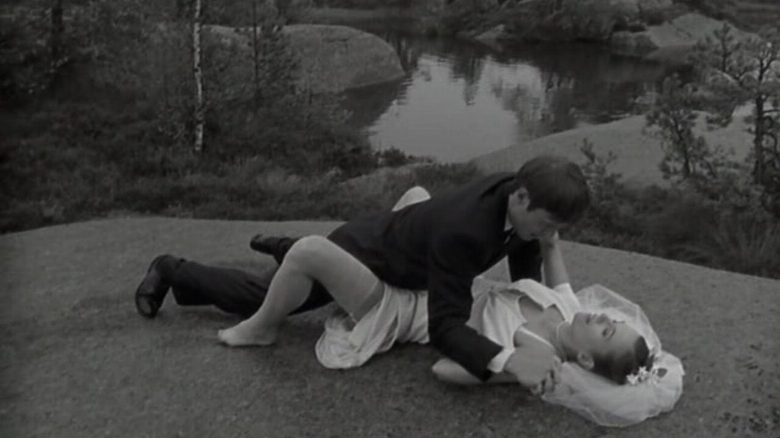
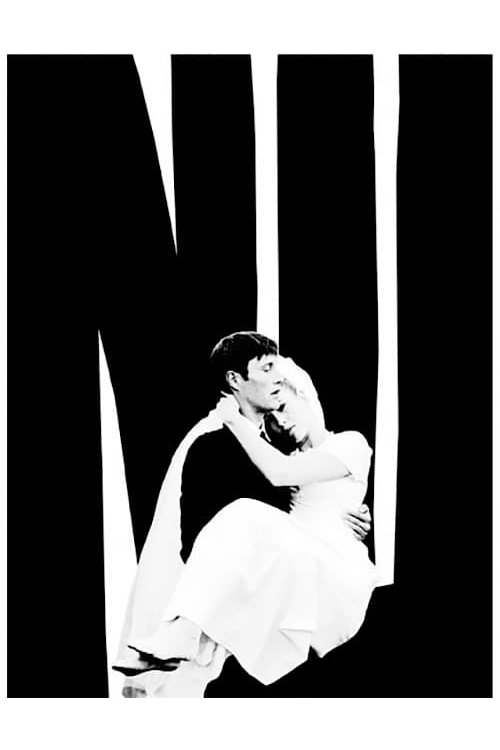
A man and a woman meet in 1960. They marry because that's what you are supposed to do. But something goes wrong on their wedding night. They have no idea what to do with each other. Sexually. Emotionally. The husband meets a man who knows what to do with his sexuality. Suddenly a hand can do something no hand has done before and lips something no lips have ever done. The two men have a secret love affair. But there is a problem: The woman. And she has something up her sleeve. Will she act? Yes, she will. What happens? Nobody knows. Until now.
The trajectory of Danish cinema in the early 2000s often leaned into the stark, uncompromising realism established by the Dogme 95 movement, yet Simon Staho chose a different path with the 2003 drama Now. By focusing on the suffocating weight of societal expectations during the 1960s, the film transforms a conventional marital setup into a haunting exploration of repressed desire and the consequences of living a lie. It serves as a stark reminder of how mid-century norms forced individuals into rigid roles that ignored the complexities of human attraction. For audiences familiar with the emotionally charged narratives often found in modern independent Indian cinema, such as the character-driven dramas of the Malayalam industry, this film offers a similar depth of psychological introspection. It is a slow-burn experience that prioritizes mood and subtext over grand spectacle, making it essential viewing for those who appreciate European art-house sensibilities.
At the heart of the narrative is a couple whose union is predicated on duty rather than genuine chemistry, a premise that feels timeless despite its specific historical setting. The tension escalates significantly when the husband discovers an authentic connection with another man, shattering the illusion of his domestic life. Elin Klinga delivers a performance that anchors the film in vulnerability and hidden intensity, portraying a spouse who is far more observant than the men in her life assume. The conflict arises not merely from the discovery of infidelity but from the suffocating pressure of a society that demands conformity at the expense of personal truth. The film avoids easy answers, instead choosing to examine the volatile intersection of love, betrayal, and the inevitable fallout that follows when secrets are forced to the surface.
This production is a testament to Staho’s ability to strip away the artifice of traditional romance to reveal the raw, often painful reality underneath. It is positioned as a sophisticated character study rather than a typical period piece, eschewing nostalgic aesthetics for a more claustrophobic, intimate atmosphere. Viewers who enjoy films that challenge moral binaries and explore the darker corners of the human heart will find much to dissect here. While it operates within the specific cultural framework of Northern Europe, the central themes of identity and the struggle to break free from self-imposed societal cages resonate with a global audience. It remains a notable entry in Staho’s filmography, capturing a moment of profound personal awakening that is as uncomfortable as it is compelling to witness.