About Private Confessions
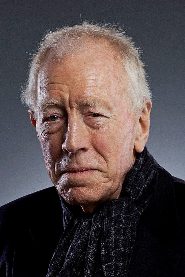
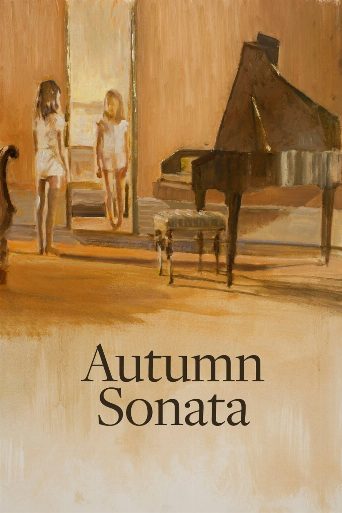
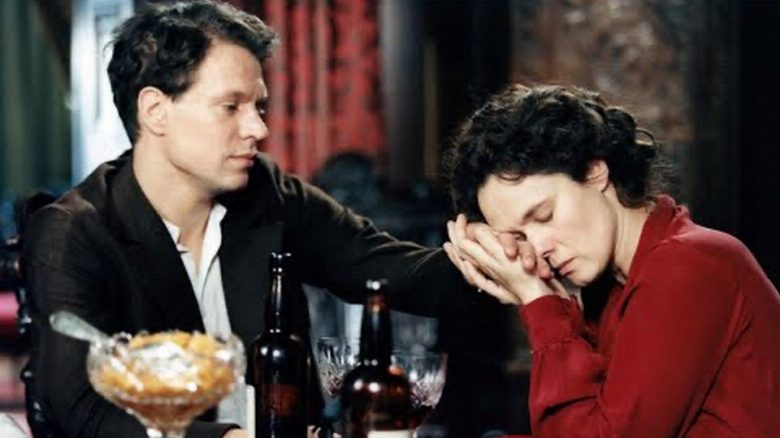
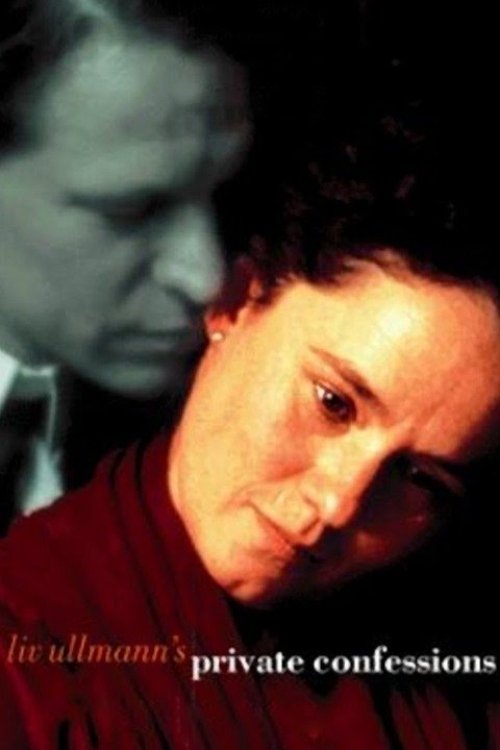
Five conversations frame a flawed marriage in this film written by Ingmar Bergman about his parents. Guilt-ridden wife Anna (Pernilla August) divulges an extramarital affair to a priest, her uncle Jacob (Max von Sydow). He presses her to confess her sins to her husband, Henrik. As the film moves back and forth in time, the notion of truth is tested. Tomas, the lover, and Henrik will find that Anna's confessions do not absolve anyone, and have the power to inflict more pain.
Few filmmakers have possessed the ability to dissect the anatomy of a crumbling marriage with the surgical precision of Ingmar Bergman, and Private Confessions serves as a profound testament to that singular talent. Set within the rigid social framework of the early twentieth century, the story functions as a psychological chamber piece that explores the devastating ripple effects of infidelity. By centering the narrative on five pivotal, high-stakes conversations, the film eschews traditional melodrama in favor of an intimate study of human frailty. It is a work that feels remarkably relevant today, as global audiences continue to gravitate toward intense, character-driven dramas that prioritize emotional interiority over spectacle, much like the acclaimed psychological narratives emerging from contemporary Indian independent cinema.
The film distinguishes itself through its stark exploration of how the act of seeking absolution can often become a weapon rather than a source of healing. Pernilla August delivers a performance of immense vulnerability as a woman trapped between her personal desires and the crushing expectations of her religious and social environment. Her interactions with the clergy and her spouse create a tense atmosphere where every word spoken acts as a catalyst for further disintegration. This focus on the shifting nature of truth and the heavy burden of guilt is a hallmark of Bergman’s late-period writing, offering a stark contrast to the sprawling, high-energy storytelling that currently dominates much of the mainstream Indian film industries. It is a masterclass in minimalism, proving that the most explosive conflicts often occur not on a battlefield, but within the confines of a quiet room.
Viewers who appreciate the meditative pacing and thematic depth found in the works of directors like Mani Ratnam or the nuanced family portraits often seen in Malayalam cinema will find much to admire in this Swedish classic. It is not a film designed for casual viewing, but rather for those who seek to engage with the darker, more complicated aspects of the human condition. By focusing on the parents of the screenwriter himself, the narrative gains a layer of haunting authenticity that elevates it beyond a mere period piece. The film remains a vital watch for students of world cinema, offering a clear-eyed look at the ways in which honesty, when weaponized, can dismantle the very bonds it was intended to preserve. Whether one is a seasoned cinephile or a newcomer looking for deeper storytelling, this production remains an essential pillar of European drama.
Cast(10)