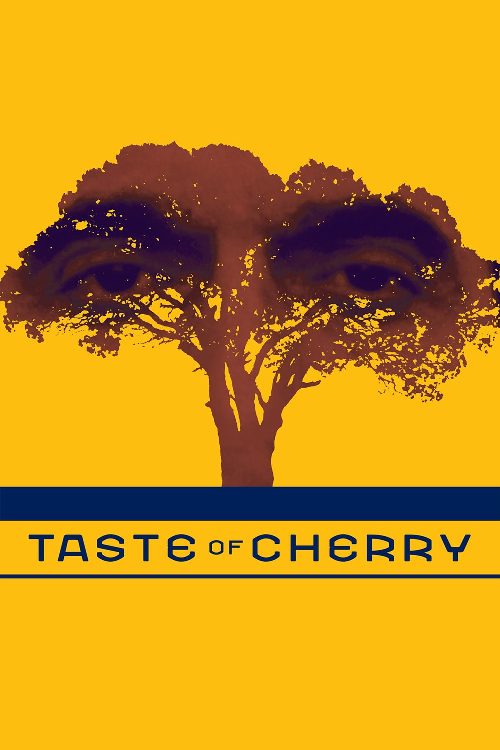
About Taste of Cherry
A middle-aged Tehranian man, Mr. Badii is intent on killing himself and seeks someone to bury him after his demise. Driving around the city, the seemingly well-to-do Badii meets with numerous people, including a Muslim student, asking them to take on the job, but initially he has little luck. Eventually, Badii finds a man who is up for the task because he needs the money, but his new associate soon tries to talk him out of committing suicide.
Abbas Kiarostami occupies a singular space in world cinema, and his 1997 masterwork Taste of Cherry remains a profound meditation on the human condition that transcends cultural boundaries. The film follows a man named Badii as he traverses the dusty, sun-drenched outskirts of Tehran in his Range Rover, searching for an accomplice to facilitate his final exit from life. While the premise may sound inherently bleak, the narrative is remarkably life-affirming, structured as a series of encounters that highlight the philosophical weight of existence. Unlike the high-octane dramas often dominating contemporary box offices in industries like Tollywood or Bollywood, this film opts for a minimalist aesthetic that relies on long takes and the stark beauty of the Iranian landscape to convey its message.
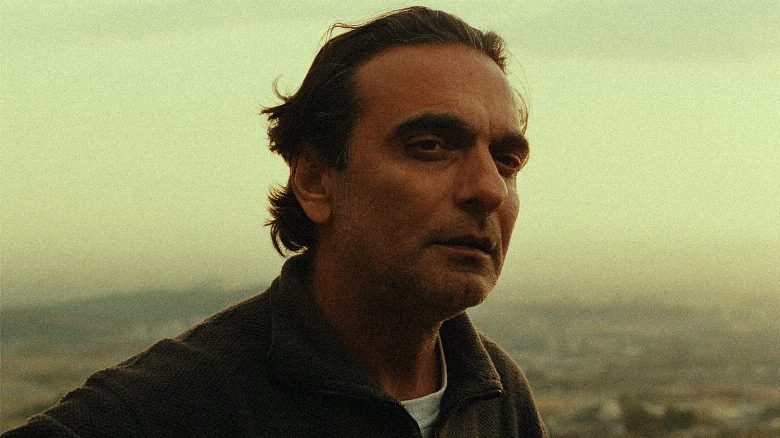
The film is essential viewing for audiences who appreciate contemplative storytelling, particularly those who gravitate toward the slow-burn, character-driven dramas often found in modern Malayalam or independent world cinema. Kiarostami avoids the didactic tropes common in suicide-themed narratives, instead allowing the viewer to ponder the moral and existential implications of the protagonist’s mission through subtle, often improvised-feeling dialogues. Homayoun Ershadi delivers a restrained, haunting performance that anchors the film, capturing the quiet desperation of a man who is simultaneously seeking an end to his suffering and perhaps, deep down, a reason to persist. It is this tension between the desire for finality and the uncontrollable beauty of the world that makes the film so enduring.
For viewers who enjoy films that challenge their perspective on morality and companionship, this piece serves as a masterclass in economy of expression. It does not demand quick answers or provide easy emotional catharsis; rather, it invites the audience into the passenger seat alongside Badii, forcing a confrontation with the inevitability of death and the persistence of nature. It stands as a pillar of Iranian New Wave cinema, marking a high point for a director whose influence continues to ripple through international filmmaking today. Whether you are a student of visual storytelling or someone simply looking for a film that lingers in the mind long after the credits roll, this journey through the hills of Tehran offers an experience that is as intellectually stimulating as it is emotionally devastating. It remains a testament to how cinema can address the heaviest of human burdens with grace, patience, and an uncompromising dedication to truth.