About Where Is The Friend's House?
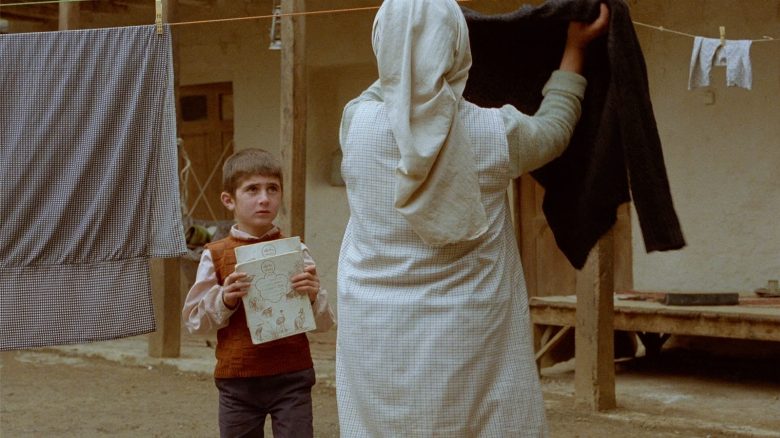
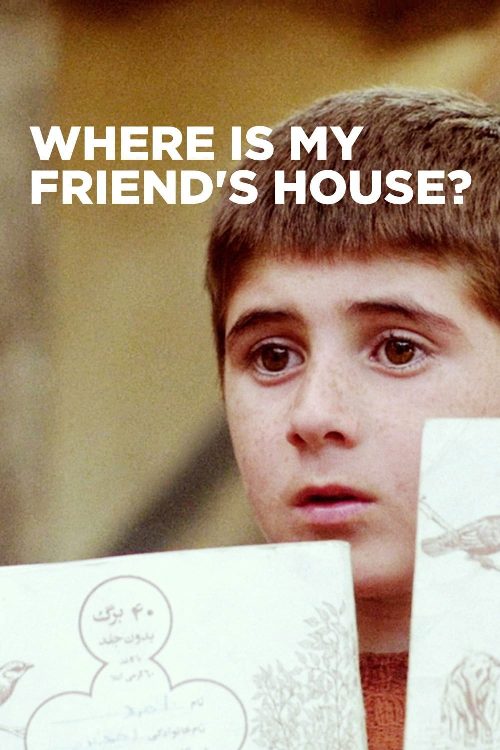
An 8-year-old boy must return his friend's notebook he took by mistake, lest his friend be punished by expulsion from school.
Few cinematic experiences capture the fragility of childhood morality with the quiet intensity found in Where Is The Friend's House. Directed by Abbas Kiarostami, this seminal piece of Iranian neorealism eschews the high-octane spectacle often associated with global adventure narratives, opting instead for a singular, arduous journey rooted in the simple ethics of empathy. Set against the stark, dusty landscapes of Koker, the film transforms a mundane errand into a monumental quest, mirroring the way small childhood dilemmas often feel like matters of life and death. While Indian cinema audiences are well-acquainted with poignant tales of rural life and youth, such as the works of Satyajit Ray or the recent wave of realistic dramas from the Malayalam industry, this film offers a distinct, minimalist perspective that resonates deeply with those who value slow-burn emotional stakes over kinetic action.
The narrative follows a young protagonist propelled by the fear that his classmate will face severe disciplinary action if he fails to return a misplaced schoolbook. This premise serves as a brilliant vessel for exploring the disconnect between the rigid expectations of adult authority and the unwavering loyalty inherent in young friendships. It is a masterclass in tension, where the vastness of the terrain serves as an antagonist, turning a short walk between villages into an odyssey of exhaustion and persistence. The film is perfectly suited for viewers who appreciate grounded, humanist storytelling that prioritizes character interiority over plot complexity. By documenting the boy’s navigation of his environment, Kiarostami invites the audience to rediscover the world through a lens of raw, unfiltered curiosity.
For followers of international film history, this work stands as a cornerstone of the Koker trilogy, marking a pivotal moment where documentary-style observation meets scripted drama. The performance by the young lead is remarkably naturalistic, stripped of the artifice often found in commercial child acting. Its influence remains visible in contemporary global cinema, particularly in films that seek to find profound, universal truths in the most localized settings. Whether you are a devotee of world cinema or an enthusiast of Indian regional dramas that highlight the struggles of the underprivileged, this picture provides a meditative experience. It remains a timeless reminder that the most significant adventures are often those driven by nothing more than the desire to be a good friend, making it an essential watch for any serious cinephile looking to expand their cultural horizons beyond mainstream releases.
Cast(21)