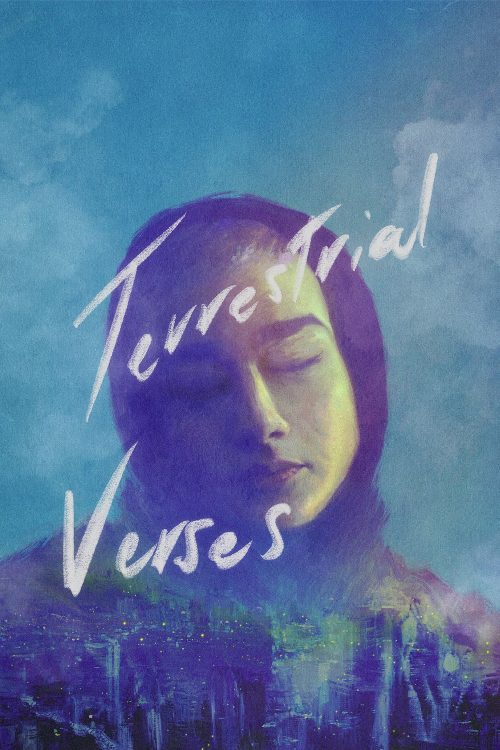
About Terrestrial Verses
A satirical take on the mundane absurdities of life in modern-day Iran, these nine vignettes illuminate the lighter side of enduring under authoritarian rule. Whether choosing a name for a newborn, graduating from grade school, getting a driver’s license, applying for a job, or seeking approval for a film script, if you live in Iran, you best come fluent in Orwellian discourse.
Navigating the labyrinthine corridors of bureaucracy becomes a darkly comedic art form in Terrestrial Verses, a film that captures the friction between personal desire and state-imposed rigidity. By focusing on a series of distinct, tightly framed encounters, directors Ali Asgari and Alireza Khatami transform the mundane act of filing paperwork into a high-stakes performance of survival. While global audiences often view Iranian cinema through the lens of poetic realism or heavy-handed tragedy, this project leans sharply into the satirical, exposing the absurdity inherent in daily administrative life. It is a bold departure from the industry standard, choosing to highlight the quiet, persistent rebellion of ordinary citizens who must master the language of their oppressors just to exist within the system.
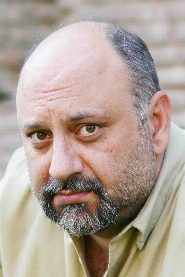
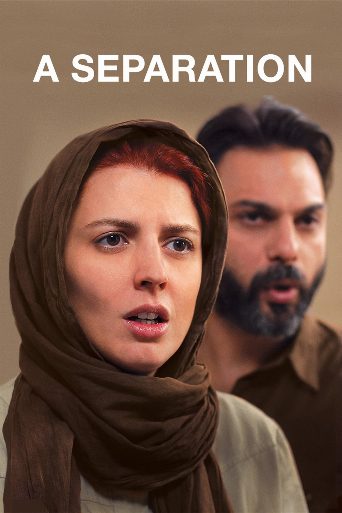
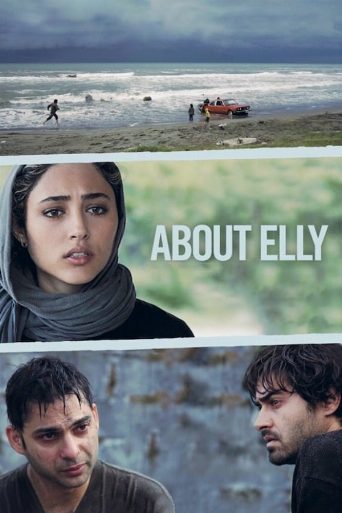
The film functions as an anthology of sorts, where each segment acts as a mirror reflecting the constraints placed upon individual agency. From a parent attempting to name a child against the wishes of a traditionalist official to a job seeker forced to strip away their identity to please a potential employer, the stakes are always both trivial and profound. This approach resonates strongly with fans of world cinema who appreciate films like The Salesman or A Separation but are looking for a more biting, cynical edge. It effectively captures the feeling of being trapped in a Kafkaesque nightmare where the rules are constantly shifting, yet the expectation of compliance remains absolute. The inclusion of seasoned performers like Babak Karimi adds a layer of gravitas to these sketches, grounding the humor in a reality that feels uncomfortably tangible.
For viewers who enjoy international features that prioritize social commentary over spectacle, this production offers a rare, unflinching look at contemporary life. It is not merely a critique of a specific government but a broader exploration of how human dignity is maintained when the environment demands total conformity. The film stands out for its minimalist aesthetic, which forces the audience to focus entirely on the dialogue and the shifting power dynamics between the characters. By stripping away the distractions of grand locations or explosive action, the creators ensure that the focus remains on the psychological toll of daily resistance. It is an essential watch for those who follow the evolution of Middle Eastern storytelling and want to see how directors are currently using humor to dissect complex political landscapes without sacrificing the emotional core of their characters.
Cast(20)