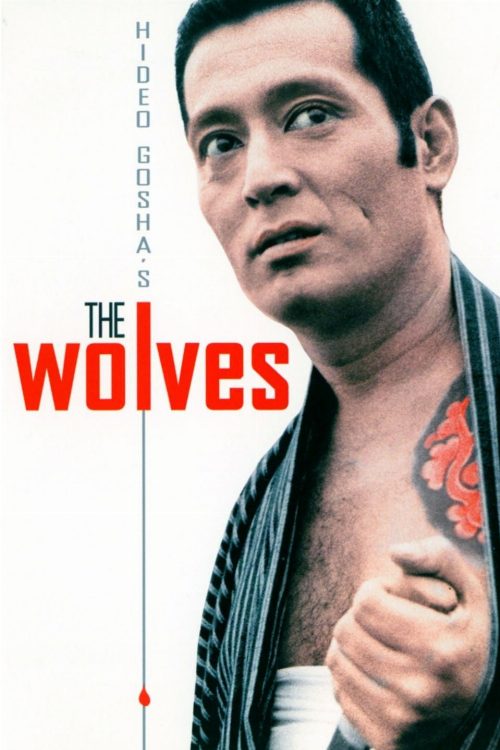
About The Wolves
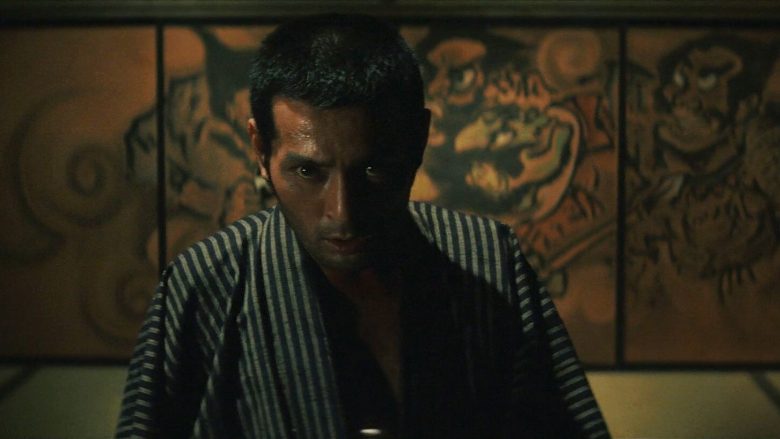
After going to prison for killing the boss of the Kanno gang, Seji Iwahashi (Tatsuya Nakadai) gets released early -- only to find that his former gang has merged with the Kannos. But with bitter resentments lingering on both sides, how long will it be before the bloodshed begins anew? Set in 1926 Japan, this serpentine crime thriller from director Hideo Gosha also stars Toshio Kurosawa and Isao Natsuyagi as Iwahashi's closest ally.
Stepping away from the polished, often romanticized depictions of organized crime prevalent in much of mid-century cinema, The Wolves offers a jagged and deeply cynical look at the shifting loyalties within the Japanese underworld. Director Hideo Gosha, known for his uncompromising visual style and interest in the darker corners of human ambition, crafts a narrative that feels less like a traditional gangster epic and more like a claustrophobic pressure cooker. Set against the backdrop of the Taisho era in 1926, the film masterfully captures the friction between the fading codes of honor and the cold, corporate-like restructuring of criminal syndicates. When a seasoned enforcer emerges from a long stint behind bars, he discovers that the landscape he once defended has been swallowed by the very rivals he was imprisoned for attacking, creating a volatile environment where past grudges threaten to erupt into total violence at any moment.
For audiences who follow the evolution of the yakuza genre, this film represents a pivotal moment in how crime stories were told in Japan, moving away from heroic bloodshed toward a more nuanced, fatalistic exploration of institutional decay. Much like the intense, character-driven dramas seen in the contemporary Indian independent movement, where regional cinema frequently dismantles myths surrounding power and brotherhood, The Wolves focuses on the psychological toll of betrayal. The lead performance is anchored by a sense of weary disillusionment, making the protagonist feel like a relic of a dying age rather than a typical action hero. This is not a film concerned with flashy set pieces, but rather with the slow, methodical breakdown of trust and the inevitable consequences of long-held animosities.
Viewers who enjoy gritty, period-authentic thrillers will find much to admire in the film's stark atmosphere and its refusal to offer easy moral resolutions. It is a mandatory watch for cinephiles who appreciate the intersection of historical setting and genre subversion. By stripping away the glamour often associated with organized crime, Gosha forces the audience to confront the ugly reality of those living on the fringes of society. As the tension mounts between the old guard and the new, the film serves as a timeless cautionary tale about the futility of loyalty in a world governed solely by self-interest. It stands as a testament to the power of precise, character-focused storytelling, proving that the most dangerous battles are often the ones fought in the shadows of one's own history.
Cast(9)