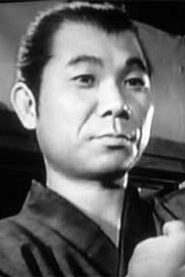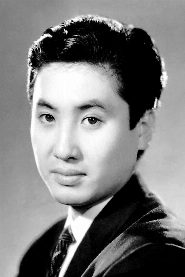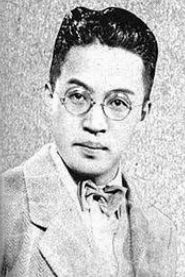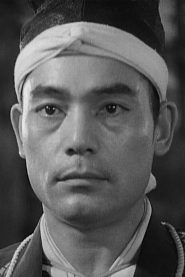
Yakuza of Ina(1960)
About Yakuza of Ina
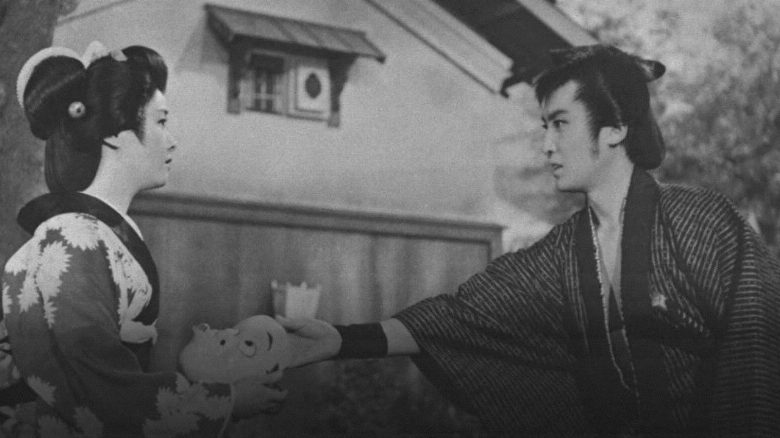
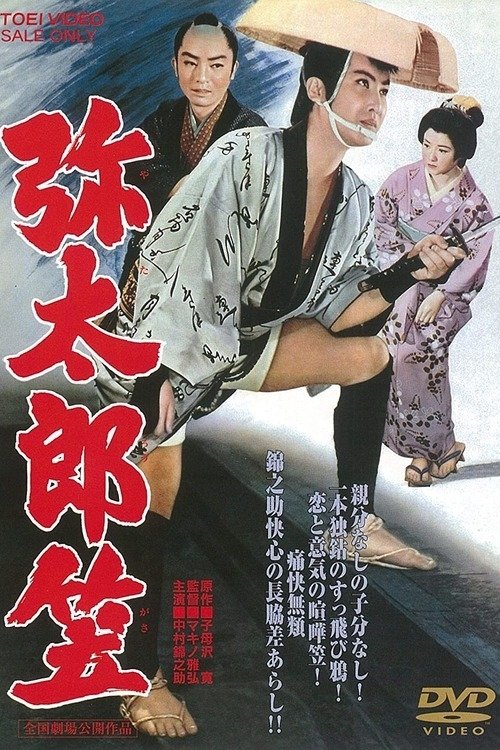
Tossing his hat in the air to pick a direction, Yataro the wanderer sets out on a journey of adventure, not knowing what tomorrow may bring. The son of a Hatamoto, he has left the samurai life and become a yakuza, gambling on life's fortune and ready to risk his life at a moment's notice. Featuring an all-star cast that includes the debonair Azuma Chiyonosuke, this is a tale of excitement and action that brings the best of black and white to the silver screen. An adventure like no other, this is one of Kinnosuke's lost gems. A series of mishaps leads Yataro to watching over the beloved daughter of his close friend.
Tracing the evolution of mid-century Japanese cinema often leads back to the classic yakuza subgenre, a field of storytelling that shares surprising thematic DNA with the high-stakes dramas frequently celebrated in contemporary Indian cinema. Yakuza of Ina stands as a quintessential artifact of this era, capturing the transition from the rigid codes of the samurai class to the unpredictable, gritty underworld of the gambler. While audiences today might be accustomed to the larger-than-life heroics found in Telugu or Tamil action spectacles, this 1960 feature offers a more grounded, monochrome intensity. It centers on a protagonist who abandons his noble lineage to embrace a nomadic existence, trading the sword for the volatile fate of a wanderer who lives entirely by his own wits.
The narrative hook relies on a classic trope of honor and protection, as the protagonist finds himself unexpectedly tasked with guarding the daughter of a former associate. This dynamic provides the emotional weight necessary to anchor the film’s period-appropriate action sequences. For fans of classic international cinema, the film is a masterclass in building tension through economy of movement and stark visual contrast. It belongs to a specific window of Japanese filmmaking that prioritized character-driven stakes over excessive spectacle, making it a compelling watch for those who appreciate the slower, more deliberate pacing of golden-age crime dramas. The presence of a seasoned cast lends an air of legitimacy to the unfolding chaos, grounding the story in a sense of history that feels both personal and expansive.
Viewers who enjoy the moral complexity found in modern South Indian gangster sagas will likely find resonance in the internal conflict of the lead character. He is not a traditional hero, but rather a man caught between the remnants of his past and the harsh realities of his current path. For anyone exploring the roots of the outlaw archetype, this film serves as an essential bridge between the chivalric traditions of the past and the darker, more cynical portrayals of organized crime that would follow in later decades. By focusing on the weight of loyalty in a world that thrives on betrayal, the film maintains a timeless quality that remains relevant to enthusiasts of global crime narratives. It is a refined, atmospheric piece of history that continues to hold its own as a compelling look at the sacrifices required when one chooses to live outside the margins of society.
Cast(14)