About Coyotes
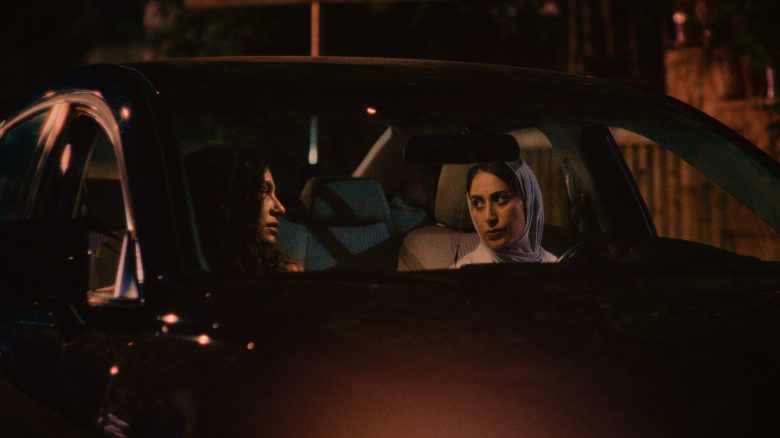
A Palestinian surgeon drives home after a long night shift, but little does she know that a commute through a desolate West Bank road will change her forever.
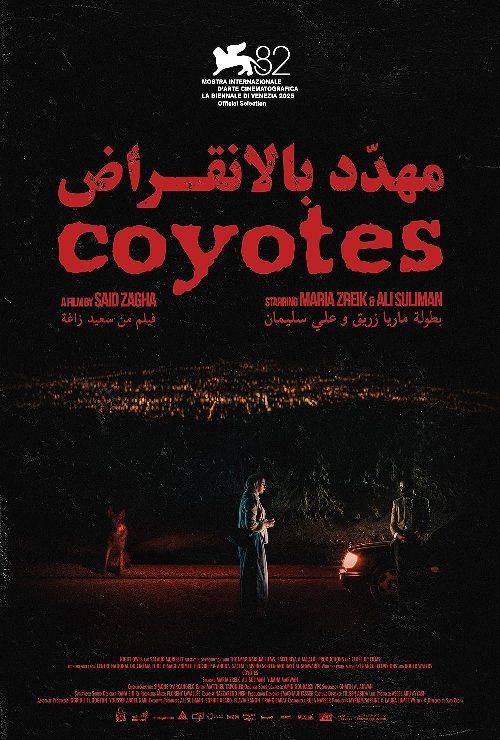
The quiet tension of a solitary nighttime drive serves as the perfect canvas for a psychological exploration in the upcoming drama Coyotes. Directed by Said Zagha, this project marks a compelling shift toward minimalist storytelling within contemporary Arabic cinema, focusing on how a single traumatic incident can fracture a person’s entire reality. By placing a medical professional at the center of a life-altering encounter on a deserted stretch of the West Bank, the narrative taps into the pervasive anxiety of navigating unstable environments. Unlike big-budget thrillers that rely on explosive set pieces, this film chooses to weaponize silence and the suffocating atmosphere of isolation to keep the audience on edge.
The film is anchored by a powerhouse cast featuring Maria Zreik, Ali Suliman, and Yumna Marwan, performers who have long been recognized for their ability to convey complex internal turmoil with subtle gestures. Their involvement suggests a high level of prestige for this production, aligning it with the recent wave of gritty, character-driven dramas that have been gaining international acclaim. For viewers who appreciate the slow-burn intensity found in regional Indian hits or the brooding atmospheric pacing of Malayalam cinema, Coyotes offers a similar dedication to building dread through environment and performance. It avoids the broad strokes of genre tropes, instead opting for a grounded, intimate look at how an ordinary professional life can be upended by an unpredictable variable on a dark, lonely road.
This is a film designed for audiences who prefer their dramas with a sharp, philosophical edge rather than easy answers. It positions itself as a study of vulnerability, forcing the protagonist to confront the fragility of her own survival instinct under extreme duress. By stripping away the comfort of a bustling city and trapping the lead character in the claustrophobic confines of a vehicle surrounded by nothingness, Zagha crafts a scenario that feels both hyper-local and universally terrifying. As the story unfolds, it becomes clear that the physical journey is merely a precursor to a deeper, more harrowing transformation. Those who enjoy narratives that challenge the viewer to question their own reactions to crisis will find plenty to dissect here. It is a striking example of how modern filmmakers are using the limitations of small-scale settings to probe the expansive depths of the human psyche.