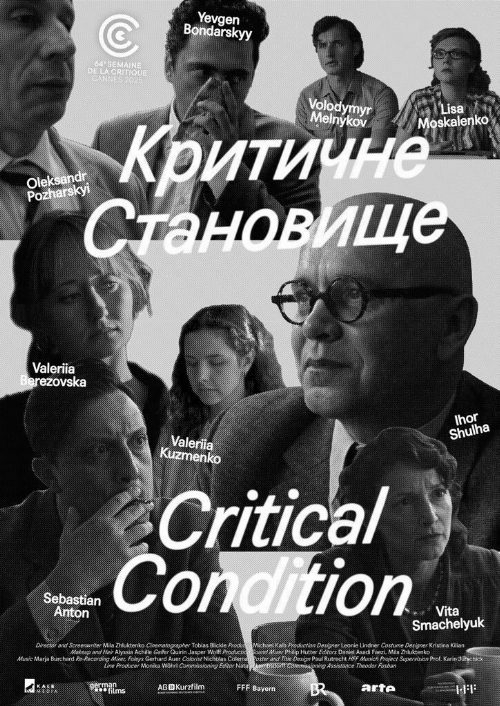
About Critical Condition
Inspired by the events around the life of Lev Rebet, Ukrainian author and editor-in-chief of the Munich-based exile newspaper "Ukrainian Independist", the film portrays the fates of the Ukrainian diaspora in the past and present.
Modern European cinema has frequently grappled with the fragmented identity of displaced communities, yet Critical Condition approaches this subject with a striking blend of historical reverence and contemporary urgency. Directed by Mila Zhluktenko, the film serves as a bridge between the mid-century struggles of political exiles and the current realities faced by those navigating life away from their homeland. By anchoring the narrative in the experiences of Lev Rebet, a pivotal figure who helmed the Munich-based publication Ukrainian Independist, the drama moves beyond a mere biographical sketch. Instead, it functions as a meditation on the cost of maintaining one's cultural heritage while living under the constant shadow of political surveillance and the instability of foreign borders.
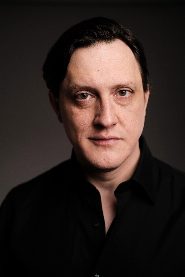
The film stands out for its deliberate pacing and its refusal to simplify the complex psychological toll of living as a permanent outsider. For audiences familiar with the rich, often melancholic tradition of Eastern European character studies, this project offers a nuanced examination of how legacy is preserved through ink and memory. Yevhen Bondarskyi leads a cast that captures the quiet desperation and resilience inherent in the diaspora experience. The cinematography emphasizes the contrast between the rigid structures of the past and the fluid, often uncertain nature of the present, making it a compelling choice for viewers who gravitate toward slow-burn dramas that prioritize thematic depth over explosive plot mechanics.
While the film is rooted in the specific struggles of the Ukrainian diaspora, its core themes of belonging and the pursuit of political truth resonate with a global audience. It arrives at a time when international cinema is increasingly focused on the intersection of personal history and broader geopolitical shifts. Those who admire recent works that utilize historical figures to comment on modern migration will find this film particularly poignant. Zhluktenko demonstrates a keen ability to weave together disparate timelines without losing the emotional thread, ensuring that the human element remains at the forefront of the storytelling. It is an intellectual and deeply felt piece of work that invites the audience to consider the sacrifices made by those who refuse to let their nation disappear from the global conversation. By positioning the past as an active participant in current events, the director manages to make a period-inspired drama feel entirely vital to the current moment.