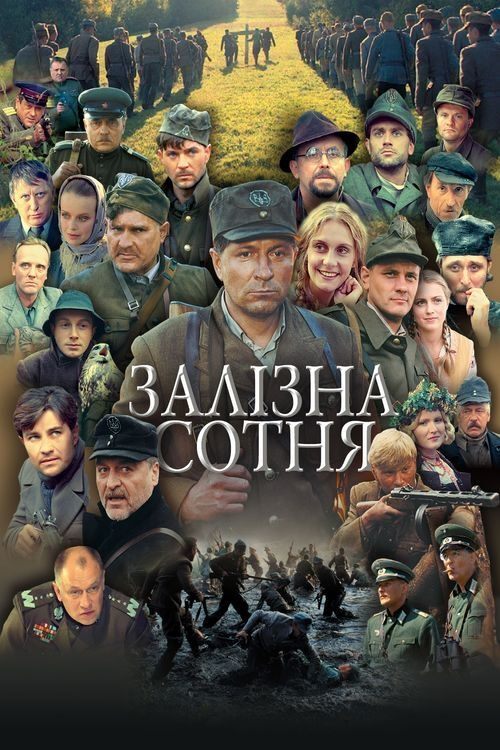
The Company of Heroes(2004)
About The Company of Heroes
One hundred soldiers of the Ukrainian Insurgent Army, led by Michael Duda, fearlessly fighting against the Bolshevics and against the Nazis.
Stepping back into the landscape of early 2000s European historical cinema, The Company of Heroes offers a stark and uncompromising look at the complexities of mid-twentieth-century resistance movements. While contemporary Indian cinema has seen a recent surge in high-octane historical epics that blend stylized nationalism with grand production design, this film provides a grounded, gritty counterpoint that focuses on the visceral reality of guerrilla warfare. By centering the narrative on the Ukrainian Insurgent Army, the production avoids the common trap of sugarcoating the ideological quagmires of the era. Instead, it positions itself as a somber meditation on the cost of autonomy when caught in the crushing gears of multiple encroaching powers. For viewers who appreciate the intricate regional histories found in the works of directors like Rajamouli or Mani Ratnam, this film serves as a fascinating study in how smaller national industries utilize limited resources to capture the immense weight of historical trauma.
The strength of the film lies in its character-driven approach to the chaos of the frontline. Rather than relying on expansive CGI spectacles, the director emphasizes the psychological toll of fighting a dual-front conflict against both Nazi forces and Soviet adversaries. The performance of Yevhen Nyshchuk provides a steady anchor for a story that could easily have spiraled into confusion, grounding the tactical maneuvers in a sense of desperate duty. This is not a film designed for those seeking easy answers or celebratory heroics; it is a tense, claustrophobic drama that demands attention to detail and patience for its slow-burn development. Fans of historical dramas who value authenticity over artifice will find much to admire in the way the film portrays the isolation of a military unit operating in the shadows of history.
Ultimately, The Company of Heroes remains a distinctive entry in the library of international war cinema, serving as a reminder that the struggle for sovereignty often plays out in the forgotten pockets of geography. Its relevance endures because it speaks to the universal experience of resistance fighters who find themselves outmatched but unwilling to yield. While the visual aesthetic reflects the specific technological limitations and stylistic preferences of the early 2000s, the thematic core remains sharp. It is an essential watch for cinephiles interested in how different nations process their own tumultuous pasts through the medium of film, offering a gritty, uncompromising lens that feels entirely distinct from the polished, big-budget historical dramas dominating modern screens.
Cast(22)