About Shamara
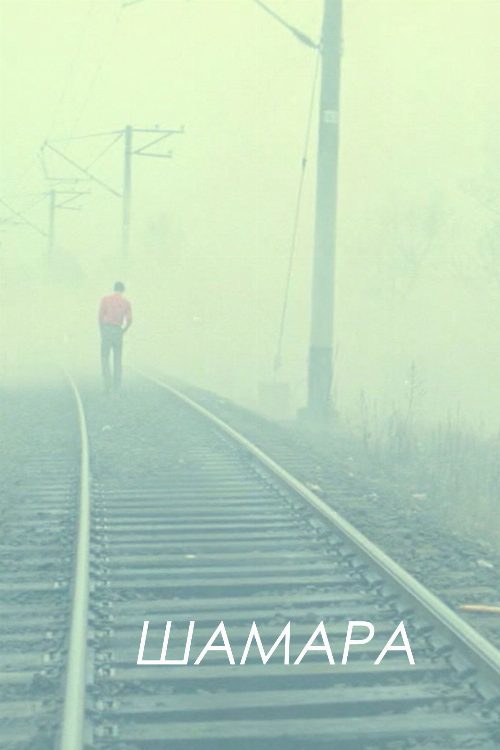
Industrial Soviet town in the 1970s is suffering from a cholera epidemic. Zina Shamarina, nicknamed Shamara, is a rebel-spirited woman who lives in a factory dormitory and is desperately in love with Ustin, the man who was one of the bunch that raped her years ago and then married her only to avoid prosecution. When Ustin commences an affair with the new girl in town, Shamara is challenged to regain herself and her place in this community.
The grim industrial landscapes of the nineteen seventies Soviet era serve as the backdrop for Shamara, a raw and unflinching character study that explores the psychological scars of a woman trapped in a cycle of trauma. Directed by Natalya Andreychenko, the film transports viewers to a desolate factory town gripped by the paranoia of a cholera epidemic, creating an atmosphere of claustrophobia that mirrors the internal state of its protagonist. Rather than relying on standard period tropes, the narrative focuses on the volatile dynamics within a cramped dormitory, where societal collapse and personal desperation intersect. This is a story about the resilience of the human spirit amidst crushing environments, offering a stark contrast to the polished escapism often seen in contemporary regional Indian dramas, yet it resonates with the same universal struggle for agency that defines powerful cinema across the globe.
The heart of the film lies in the complex relationship between Zina, known as Shamara, and her husband, Ustin. Their marriage is not built on affection but on the dark legacy of a past crime, positioning the film as a harrowing exploration of complicity and toxic attachment. Irina Tsymbal delivers a performance that anchors the narrative, capturing the weary defiance of a woman who has been systematically stripped of her dignity. For audiences who appreciate the gritty realism found in the works of directors like Vetrimaaran or the intense emotional landscapes of Malayalam indie cinema, Shamara offers a similarly challenging experience. It eschews easy resolutions, choosing instead to observe how an individual navigates a world that seems designed to break them.
While the film is rooted in the specific socio-political textures of its time, its themes of betrayal and self-discovery feel remarkably relevant today. It is a must-watch for cinephiles who value character-driven dramas that prioritize emotional authenticity over spectacle. Andreychenko crafts a vision that is both bleak and strangely hypnotic, ensuring that the audience remains deeply invested in Zina’s quiet quest to redefine herself when her reality begins to crumble. Those looking for a thought-provoking piece of historical drama will find that this project remains a potent reminder of how past traumas dictate present choices, making it a significant entry for anyone tracking the evolution of intense, performance-led storytelling within global film history.