About In the Mountains of Yugoslavia
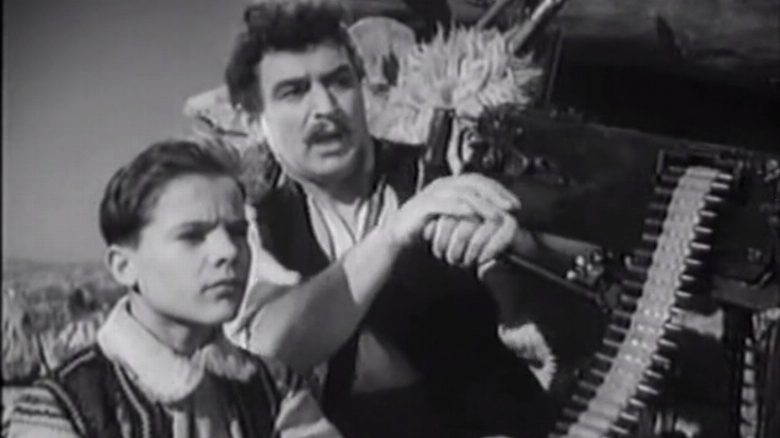
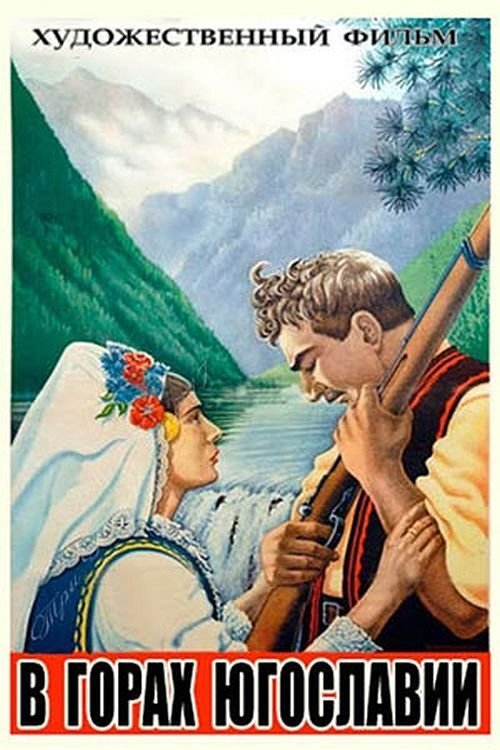
Yugoslav farmer-turned-partisan Slavko Babić starts an uprising against the fascist Germans and their allies.
Emerging from the immediate aftermath of the Second World War, In the Mountains of Yugoslavia stands as a fascinating historical artifact that captures the Soviet cinematic interpretation of Balkan resistance. Directed by Abram Room, this 1946 production functions as a grand, sweeping epic that dramatizes the shift from peaceful agrarian life to the brutal necessity of armed insurrection. While contemporary audiences familiar with the high-octane action of modern Indian cinema might find the pacing deliberate and the tone distinctly ideological, the film remains a compelling study of how a nation processes the trauma of occupation through the lens of heroic myth-making. It operates on a scale that mirrors the epic storytelling found in historical dramas across the Telugu or Hindi industries, where the common man is elevated to a symbol of collective strength against an overwhelming external threat.
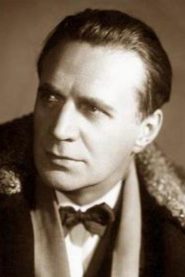
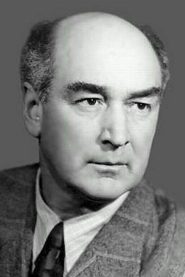
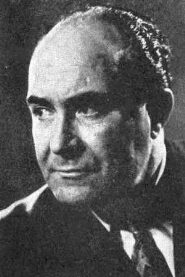
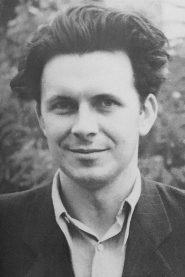
The narrative centers on the transformation of a simple rural worker who finds himself compelled to organize his neighbors into a formidable fighting force against invading armies. By focusing on the moral awakening of the individual within a wider landscape of conflict, the film leans into the classic partisan archetype that dominated mid-century international cinema. For viewers who appreciate the stylistic evolution of war epics, this work offers a unique window into the post-war Soviet aesthetic, which favored monumental performances and a clear, almost operatic distinction between the forces of liberation and oppression. The cast, including Vsevolod Sanayev and Nikolai Mordvinov, delivers grounded, intense portrayals that anchor the broader political messaging, ensuring the story remains rooted in the visceral experience of those caught in the crossfire.
This film is particularly well-suited for cinephiles interested in the intersection of geopolitics and art, especially those who enjoy analyzing how different cultures portray the spirit of insurgency. It serves as a stark reminder of the global reach of anti-fascist narratives in the mid-1940s, providing an intriguing counterpoint to the more stylized or dramatized portrayals of resistance seen in global cinema today. Abram Room brings a seasoned directorial eye to the project, utilizing the rugged Yugoslavian terrain to enhance the sense of isolation and defiance. Whether you are a student of film history or simply a fan of classic international war dramas, this piece remains a significant, if stylistically rigid, milestone that highlights the power of cinema to document and mythologize the struggle for sovereignty during a pivotal era of the twentieth century.
Cast(15)