Stalingrad(1990)
About Stalingrad
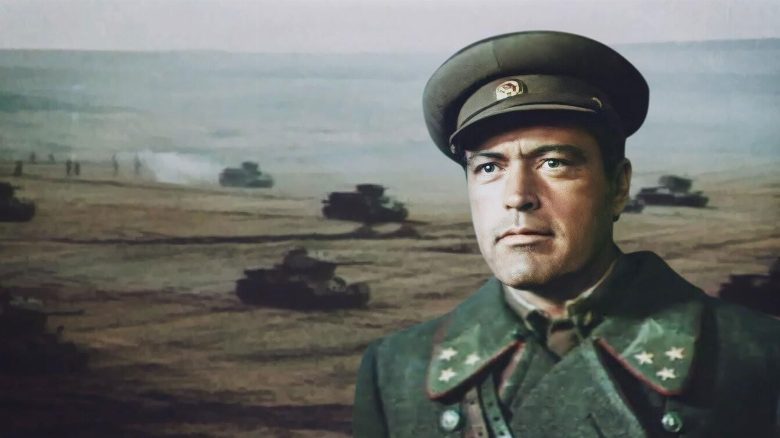
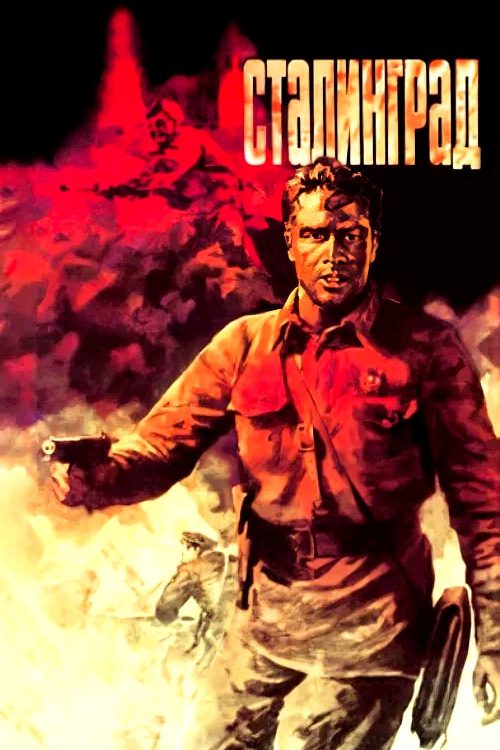
The WWII pivotal battle of Stalingrad is shown through the eyes of the soldiers and officers on both sides of the war.
Cinematic depictions of the Second World War often gravitate toward grand tactical maneuvers or the singular heroic arc, but the 1990 production titled Stalingrad chooses a far more fragmented and visceral path. By eschewing a traditional protagonist in favor of a mosaic of experiences, the film attempts to capture the immense scale of the Volga front through the eyes of those stationed on opposing sides of the trenches. For audiences accustomed to the hyper-stylized action spectacles of modern Indian cinema, such as the sweeping historical dramas coming out of the Telugu or Hindi industries, this Russian feature offers a jarringly grounded contrast. It avoids the polished artifice of contemporary blockbusters, instead presenting the grim, claustrophobic reality of a conflict that defined the twentieth century, forcing viewers to confront the human cost beneath the heavy machinery of state-sponsored warfare.
The film stands as a testament to a specific era of Soviet filmmaking, arriving just as the geopolitical landscape was undergoing a seismic shift. Its relevance to global cinema enthusiasts lies in its refusal to sanitize the horrors of the Eastern Front, presenting a gritty, unvarnished look at the struggle that serves as a precursor to the modern gritty war drama. While audiences in India might recognize the recurring themes of duty and existential dread found in their own regional war epics, this particular iteration distinguishes itself by its commitment to a sober, almost documentary-like pace. It is an essential watch for those who appreciate historical realism over romanticized valor, demanding a level of patience that pays off in its haunting portrayal of soldiers caught in the gears of a historical meat grinder.
Helmut Helstorf and the supporting ensemble navigate a narrative structure that feels intentionally disjointed, mirroring the chaotic nature of the siege itself. The direction focuses on the exhaustion and moral erosion of men pushed to their limits, making it a compelling study for scholars of the genre. Those who gravitate toward films that prioritize atmosphere and historical weight over fast-paced editing will find much to dissect here. By stripping away the typical bravado found in international war films, the director invites the audience to observe the tragedy from a distance that feels both intimate and impossibly cold. It remains a stark reminder of how different cinematic cultures have processed the trauma of global conflict, cementing its place as a cold, austere entry in the vast canon of war cinema.
Cast(46)